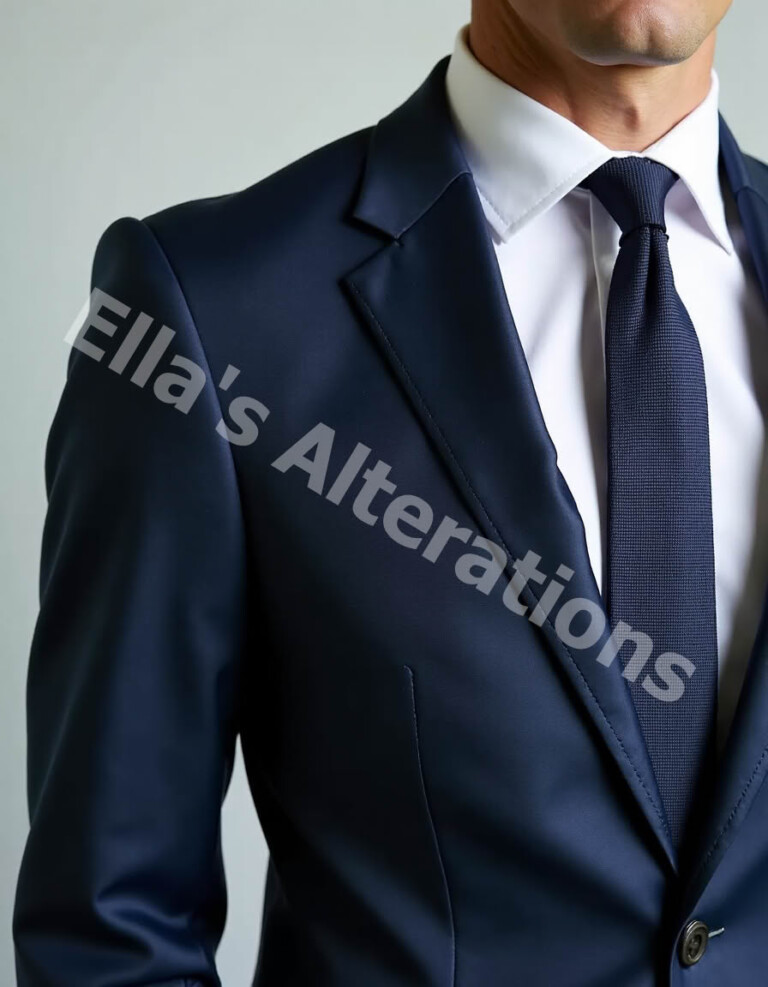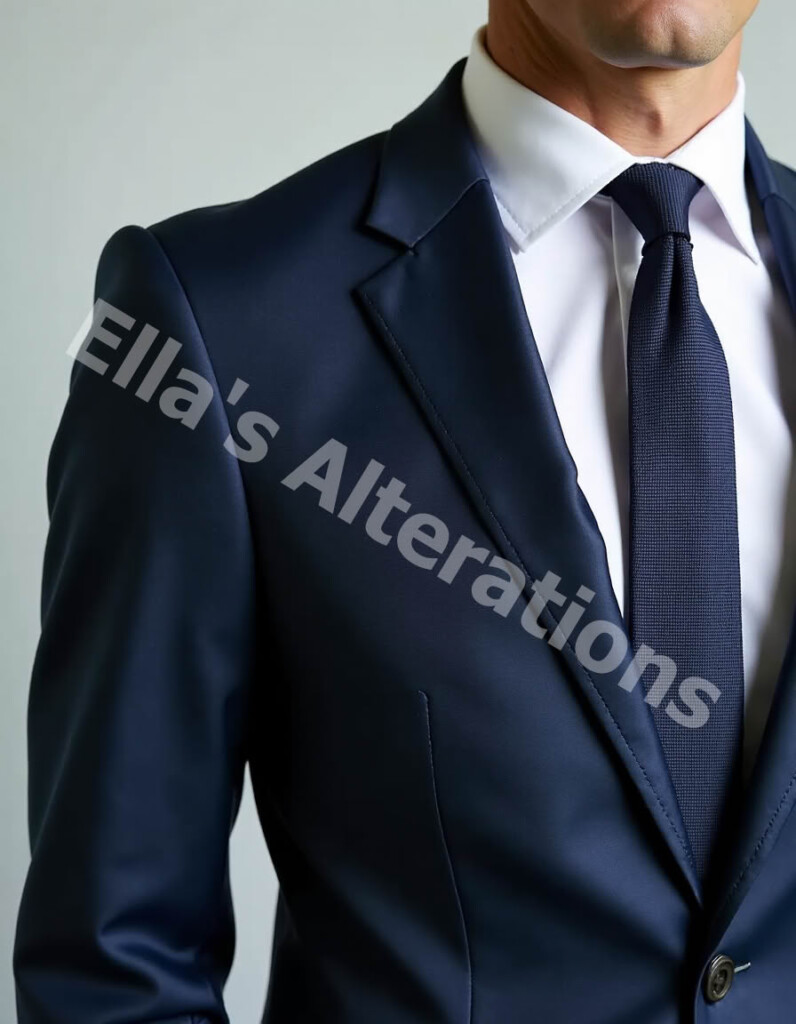
A Tailors Guide: Why Suit Anatomy Matters.
Introduction: Why Suit Anatomy Matters:
TLDR: Quick Take
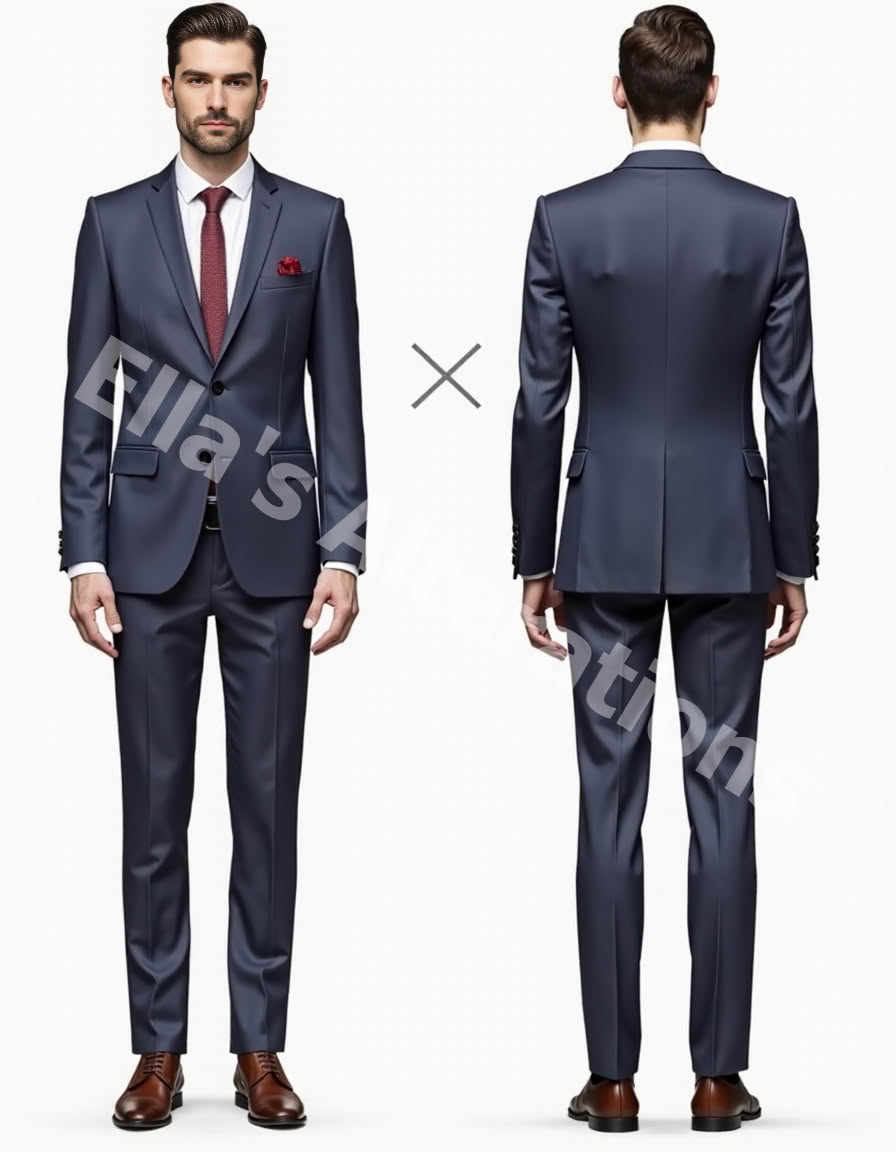
A suit is not just a jacket and pants. It is a structured system built in zones. The shoulders set the frame, the chest controls drape, the waist creates shape, the sleeves finish the upper body, and the trousers complete the silhouette. When those zones match your body and posture, the suit looks intentional and moves with you. When they do not, tailoring has limits and cannot rescue bad structure.
Listen: Suit anatomy determines how a suit fits, moves, and looks. When the shoulders, chest, waist, sleeves, and trousers work together, the suit feels natural and looks sharp. (Audio Guide)
Suit anatomy matters because a suit is not just something you throw on for a wedding or a job interview.
It is a structured garment built with intention, and every part of it is designed to work together.
Most people think a suit either fits or it does not, but the truth is much deeper.
A suit can technically be your size and still look completely wrong if the anatomy is off.
That is why understanding how a suit is built from top to bottom changes everything.
A suit is like architecture for the body.
The shoulders create the frame, and they are the first thing a tailor looks at.
If the shoulders are too wide, too narrow, sloping, or collapsing, the entire jacket loses its foundation.
Shoulder structure is one of the hardest areas to alter, which is why getting it right from the beginning matters so much.
A suit with poor shoulders will never look truly sharp, no matter what else you adjust.
Next comes the chest, which controls drape and movement.
The chest is where the suit breathes.
If it is too tight, you will see pulling lines near the buttons and tension across the front.
If it is too loose, the jacket will sag and lose that clean, confident shape.
The chest also affects how the lapels sit, how the fabric hangs, and how natural your posture looks inside the suit.
This is why chest fit is not just comfort, it is visual balance.
Then the waist comes into play.
The waist is where tailoring creates one of the biggest transformations.
A jacket with no waist shaping looks boxy and heavy, even on a fit person.
A properly shaped waist gives definition and creates that sharp silhouette men associate with a high end suit.
This is also where a tailor can often deliver the most noticeable upgrade without rebuilding the garment.
Sleeves might seem like a small detail, but they are loud in appearance.
Sleeve length and sleeve balance affect whether you look polished or careless.
- A sleeve that is too long makes the jacket look borrowed.
- A sleeve that is too short makes it look undersized.
The sleeve should work with the shirt cuff and the arm position so everything looks intentional, not accidental.
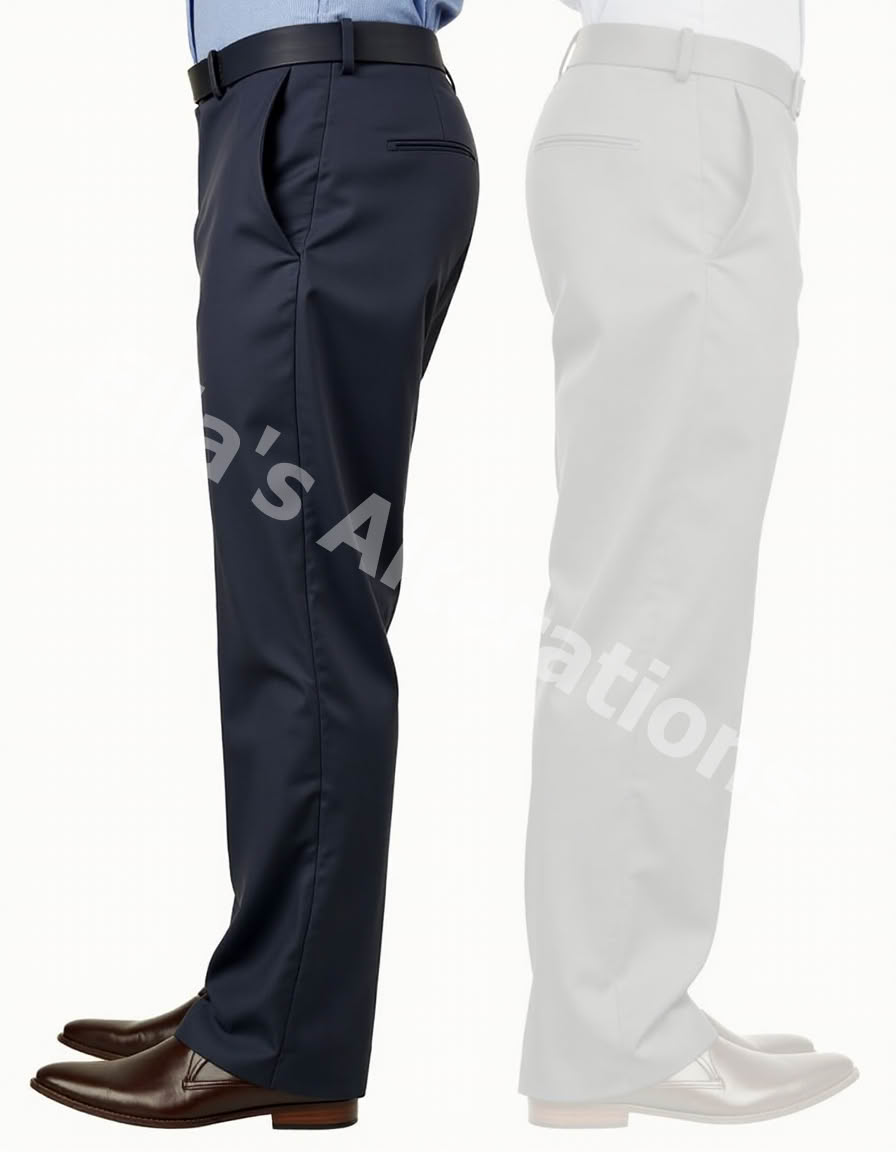
And then there are the trousers, which many men underestimate.
Pants are not just the bottom half, they complete the line of the suit.
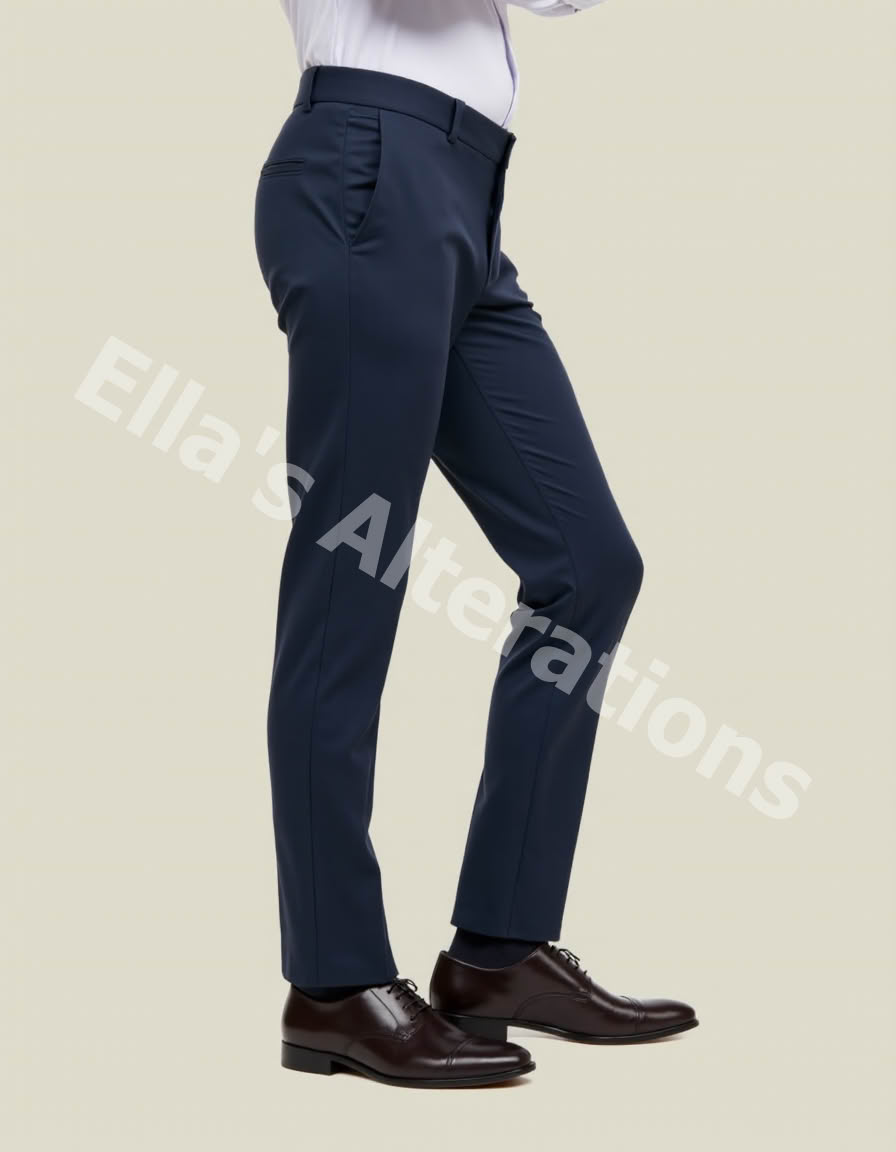
The way trousers fit through the seat, thigh, knee, and hem affects movement, comfort, and the overall silhouette.
Twisting legs, bunching fabric, or an awkward break at the shoe are all signs that the suit system is out of sync.
A suit can have a perfect jacket, but if the pants are wrong, the full look suffers.
This is why suit anatomy matters so much.
Fit problems are rarely random.
Wrinkles, pulling, collar gaps, and strange folds are usually clues that the suit does not match the body’s posture or proportions.
Tailoring is not about chasing wrinkles.
It is about understanding what those wrinkles are telling you.
Most importantly, knowing suit anatomy saves you money and frustration.
Tailoring can refine a good suit, but it cannot fix bad structure.
- Some alterations are simple and powerful, like waist shaping or hemming trousers.
- Others are complex or limited, like major shoulder reconstruction.
When you understand the anatomy, you make smarter choices when buying, altering, and wearing a suit.
A great suit is not just about style.
It is about balance, structure, and harmony from head to toe.
Once you understand the system, you stop guessing, and you start dressing with real confidence.
In the shop we see the same situation every week. A customer buys a suit that technically fits their size but something still looks wrong. The shoulders droop, the chest pulls, or the jacket twists when they move. The reason is almost always suit anatomy. When the structure of the suit does not match the body, no amount of simple tailoring will fully fix it. Understanding anatomy helps you start with the right foundation before any alterations begin.Tailor’s Insight ✂️
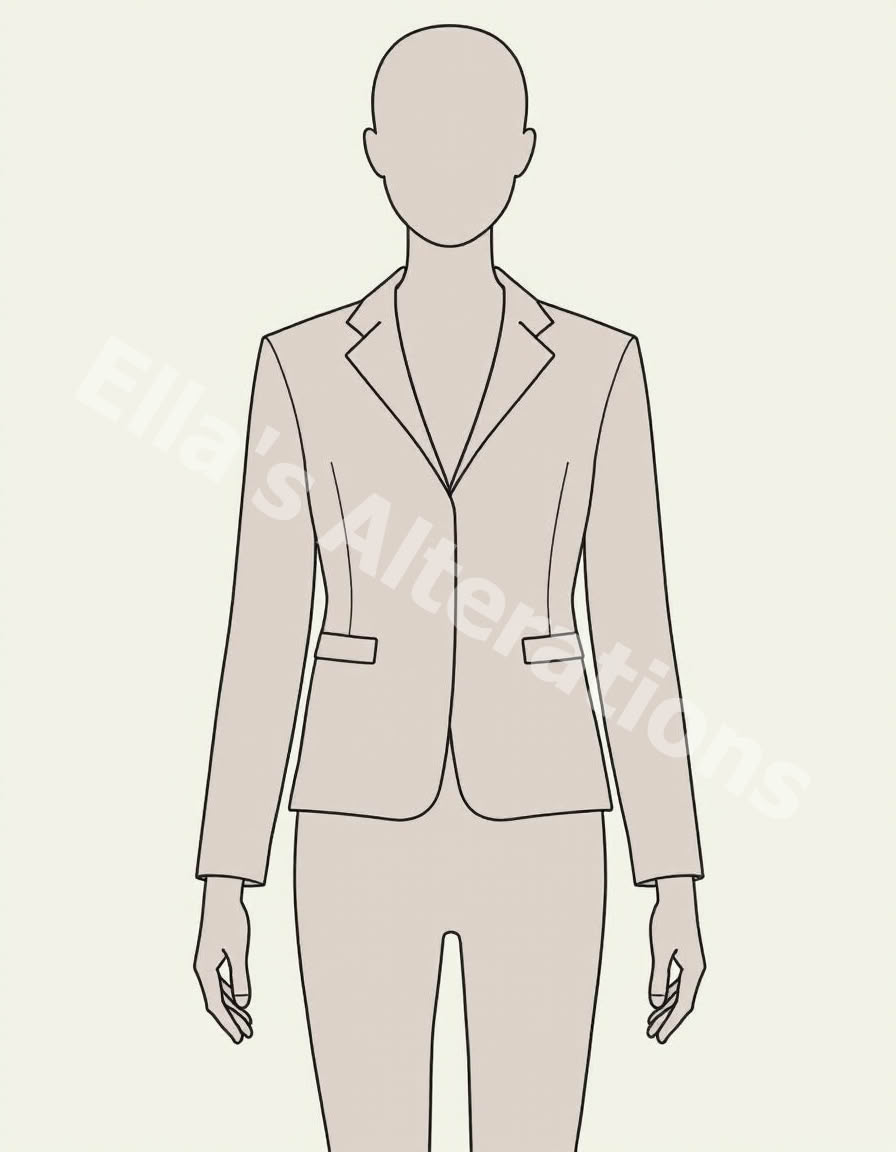
Fast Answer Panel
What problem this solves
Most men buy suits based on the size tag instead of the structure. That leads to bad fit, uncomfortable movement, and wasted money on alterations that cannot fix poor construction.
Who this is for
Men buying a suit for weddings, work, interviews, formal events, or anyone trying to understand why a suit looks wrong even when it is technically their size.
What you should do next
Focus on the five zones that control suit fit: shoulders, chest, waist, sleeves, and trousers. If those zones work together, the suit looks sharp and feels natural.
How to book right now
Book a fitting so a tailor can check structure first and only recommend alterations that will actually improve the result.
Alter vs Replace Decision
One of the most common questions customers ask is whether it makes more sense to alter a garment or replace it entirely. The answer usually depends on the structure of the garment, the fabric quality, and the cost of alterations compared to the value of the item.
High quality garments with strong structure are often worth altering because tailoring can dramatically improve fit and extend the life of the piece. Lower quality garments with poor construction may cost more to repair than they are worth.
Question
Is it better to alter clothing or replace it?
Answer
If the garment has strong structure and good fabric, altering it is often the best choice. If the structure is poor or the repair cost exceeds the value of the item, replacing it may be the smarter option.
What “Suit Anatomy” Really Means:
Suit anatomy is the breakdown of how a suit is built and how each part is supposed to function on the body.
Most people hear the word anatomy and think it sounds technical, but it is actually very practical.
Suit anatomy simply means understanding the key zones of the suit, what they do, and how they connect.
Once you understand that, suit fit stops feeling like a mystery and starts feeling like something you can actually read and diagnose.
A suit is not one simple piece of fabric.
It is a structured garment made of multiple layers, seams, canvassing, padding, and shaping.
Every section is designed to create a specific line.
That line is what gives a suit its authority and polish.
When the anatomy is right, the suit looks effortless.
When it is wrong, the suit looks uncomfortable even if the wearer cannot explain why.
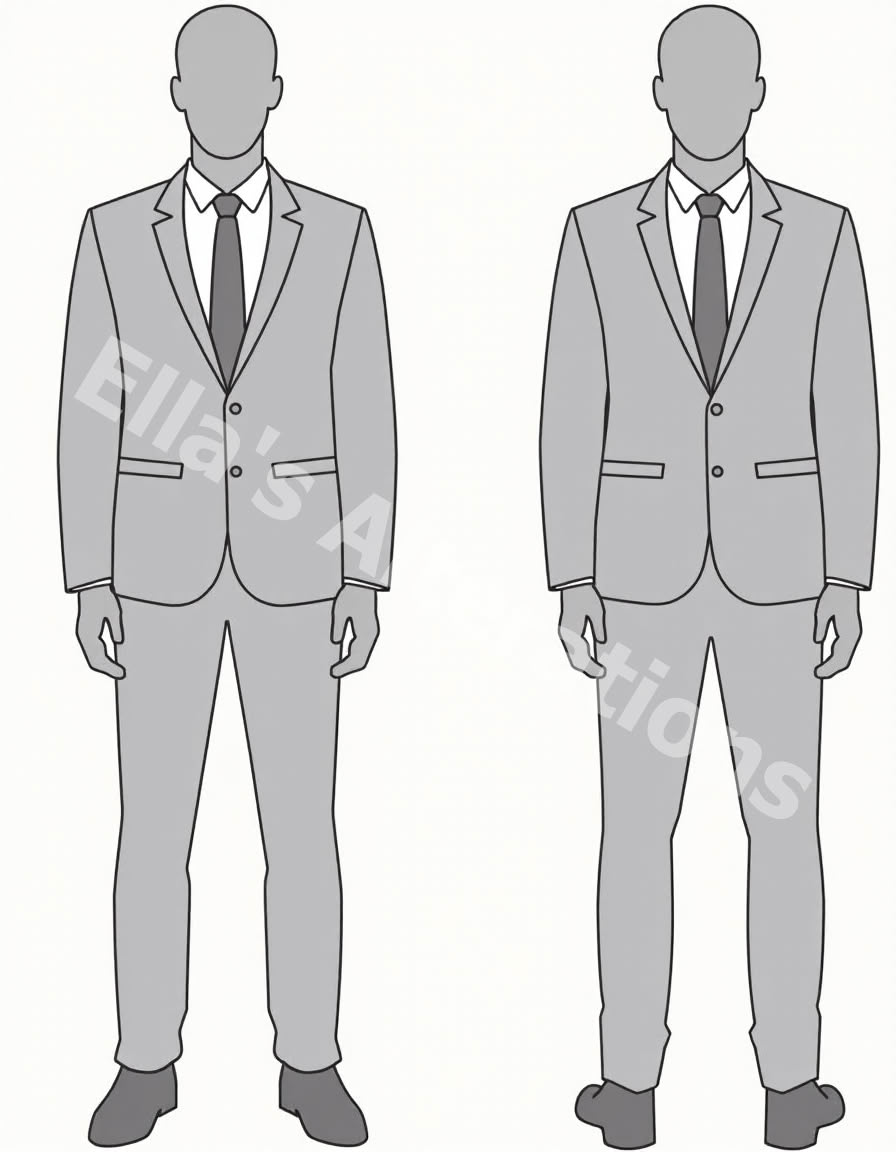
The shoulder zone is where it all begins. It's the foundation of a great fit, and a key area to get right if you want to feel confident and comfortable in your suit.
The shoulder sets the entire frame of the jacket.
It determines where the jacket begins and how it hangs down the torso.
Shoulder width, slope, and structure affect everything below it.
- If the shoulder is too wide, the jacket looks droopy.
- If it is too narrow, it pulls and restricts movement.
- If the padding collapses or creates divots, the whole upper body loses clean shape.
This is why shoulders are considered the foundation and why they are the hardest part to alter correctly.
Next comes the chest, which controls drape.
What is Drap?
When it comes to wearing a suit, the way the fabric hangs on your body is really important. This is called the chest drape. It refers to how the fabric flows over your chest and shoulders.
If the chest drape is done well, it can make a big difference in how you look in the suit. You want the fabric to flow smoothly over your body, rather than bunching up or looking awkward. A good chest drape can make you look sharp, put-together, and confident.
In a well-fitting suit, the chest drape should be smooth and natural-looking. It's all about finding the right balance and creating a flattering silhouette.
The chest area is where the suit needs room to breathe without becoming loose.
A good chest fit allows the fabric to fall smoothly, creating clean lines across the front.
If the chest is tight, you will see pulling near the buttons, strain across the lapels, and discomfort when you move your arms.
If the chest is too full, the jacket looks baggy and loses sharpness.
The chest is also where posture plays a big role.
A suit must match the body’s natural stance, not just its measurements.
Then you have the waist, which is where shape is created.
The waist area is responsible for silhouette.
This is where tailoring makes a suit look modern and intentional instead of boxy.
- A properly shaped waist gives definition and balance, especially when paired with a structured shoulder.
- Too much suppression can look tight and unnatural, while too little makes the jacket look oversized.
The waist is one of the most common alteration zones because it delivers high visual impact with relatively manageable tailoring work.
Sleeves are another critical part of suit anatomy.
- Sleeve length and sleeve pitch affect the entire polish of the jacket.
- Sleeves that are too long swallow the hands and make the suit look sloppy.
- Sleeves that are too short look awkward and unfinished.
- The sleeve also needs to hang correctly when the arms rest naturally.
If the sleeve twists or pulls, it often points to deeper balance issues in the jacket body.
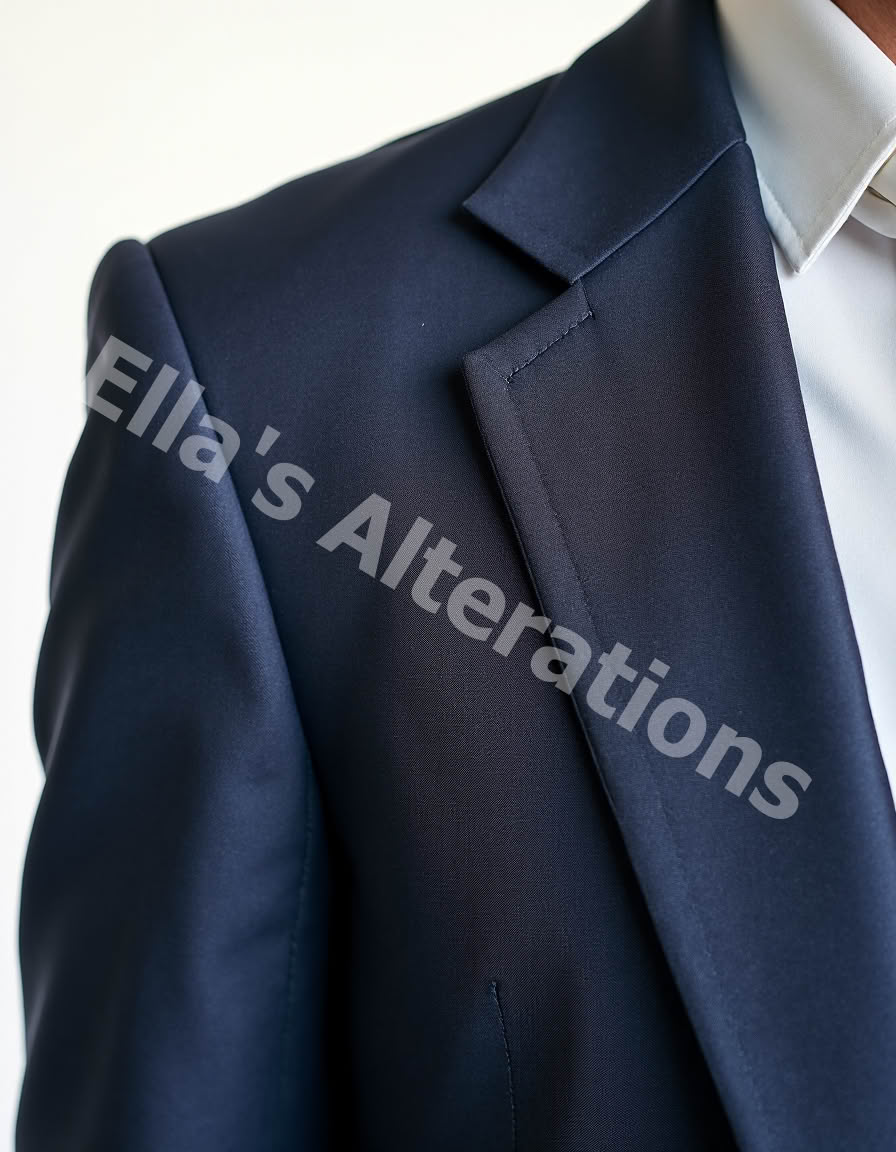
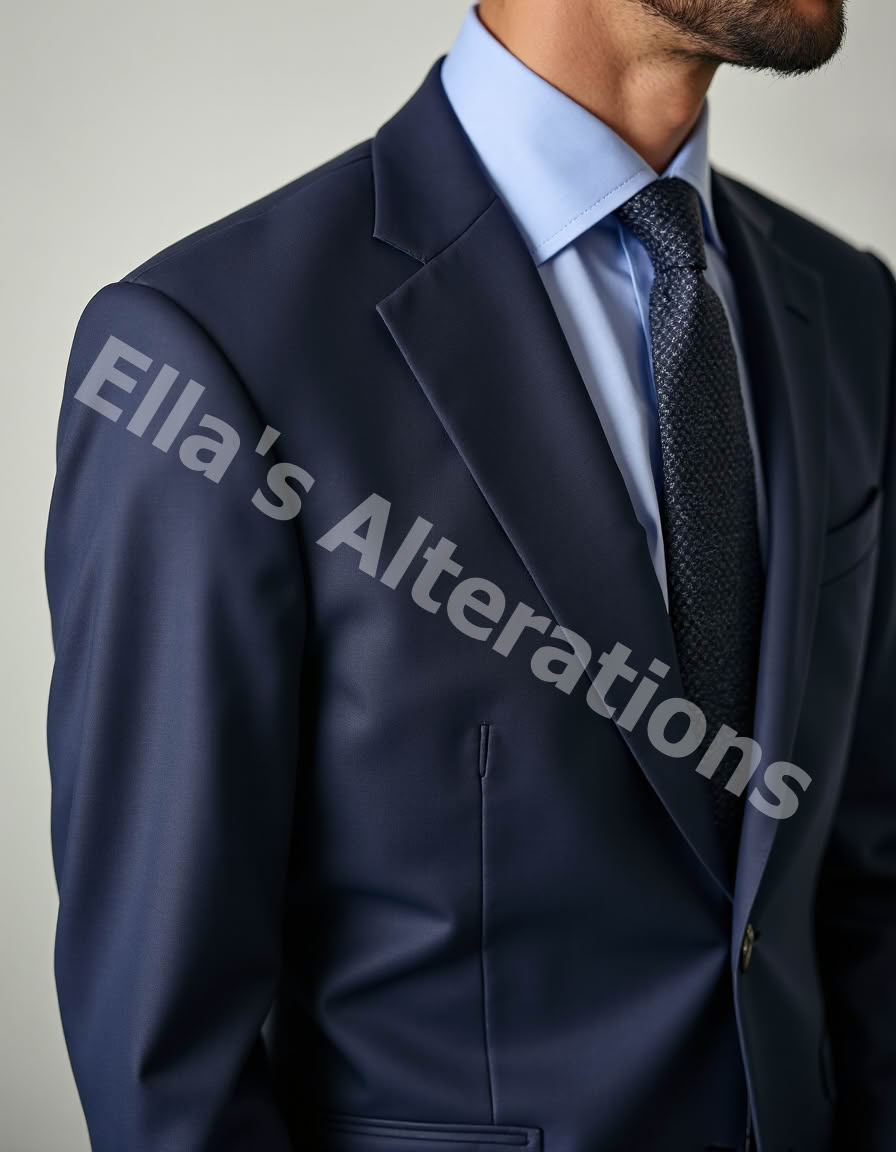
The lapels, collar, and neckline are also part of suit anatomy, even though many people overlook them.
A collar gap at the back of the neck is not just a small flaw, it is a sign that the jacket is not sitting correctly on the body.
Lapels that flare or collapse often indicate chest or balance problems.
These details matter because they sit near the face, where the eye naturally focuses.
Finally, trousers complete the suit system.
Suit pants are not separate from the jacket, they finish the silhouette.
The fit through the seat, thigh, knee, and hem determines comfort and movement.
A clean pant line supports the sharpness of the jacket above it.
If trousers bunch, twist, or break poorly at the shoe, the entire outfit feels off.
Suit anatomy matters because every part is connected.
You cannot judge a suit by one wrinkle or one measurement.
Understanding the anatomy gives you the ability to see what is really happening, make smarter tailoring decisions, and wear a suit that looks balanced from head to toe.
Professional tailors do not judge a suit by one wrinkle or one measurement. We read the whole garment like a system. A collar gap, sleeve twist, or pulling button usually points to a deeper structural issue somewhere else in the jacket. Once you understand suit anatomy, those clues start to make sense and you can diagnose the real problem instead of guessing.Tailor’s Insight ✂️
Key Takeaways
- Suit anatomy explains why a suit fits or fails
- Shoulders are the foundation and the hardest to alter
- Chest drape controls comfort and visual balance
- Waist shaping creates silhouette and polish
- Sleeves and trousers complete the full line
- Tailoring refines good structure but cannot fix poor structure
Real Client Story
A customer once brought in a suit that felt uncomfortable and looked slightly uneven. The shoulders were correct, but the waist was too loose and the trousers were too long. After shaping the waist and adjusting the pant length, the suit looked dramatically sharper.
The customer originally believed the suit was a poor purchase. In reality, it simply needed refinement.
Question
Can tailoring really transform the way a suit looks?
Answer
Yes. When the suit has good structure, small tailoring adjustments can dramatically improve the overall appearance and comfort.
How to Choose a Wedding Veil That Complements Your Dress.
Key Takeaways
- Suit anatomy explains why a suit fits or fails
- Shoulders are the foundation and the hardest to alter
- Chest drape controls comfort and visual balance
- Waist shaping creates silhouette and polish
- Sleeves and trousers complete the full line
- Tailoring refines good structure but cannot fix poor structure
How Anatomy Affects Fit, Comfort, and Style:
Suit anatomy is not just about knowing the names of the parts.
- It is about understanding how those parts affect the way a suit feels, moves, and looks on your body.
- Fit, comfort, and style are all tied together, and anatomy is the bridge that connects them.
- When the anatomy is right, the suit feels natural and looks powerful.
- When the anatomy is wrong, even an expensive suit can feel stiff, awkward, or unflattering.
Fit is the most obvious place anatomy shows up.
A suit is built to create clean lines, but those lines only appear when the structure matches the body.
The shoulders are a perfect example.
If the shoulders are too wide, the jacket will droop and create excess fabric down the arms.
If they are too narrow, you will see pulling across the upper chest and tension when you move.
The shoulder area controls the entire balance of the jacket, so even a small mismatch throws everything off below it.
The chest is another key fit zone.
Chest anatomy determines drape, which is how fabric hangs across the front of the body.
- A good drape looks smooth and confident.
- A bad drape creates pulling lines, lapels that flare open, or bunching near the buttons.
Many men assume these problems mean they need a different size, but often the issue is shape, posture, or jacket balance.
A suit must fit your real body, not an imaginary mannequin version of you.
Comfort is where suit anatomy becomes even more important.
A suit should not feel like armor.
- If the chest is too tight, breathing feels restricted.
- If the armholes are cut too low, raising your arms becomes difficult and the whole jacket lifts.
- If the waist is overly suppressed, sitting down feels like a struggle.
Comfort issues are rarely isolated.
- They usually come from the way one anatomical zone interacts with another.
- A suit that looks fine standing still can feel terrible once you move, which is why tailors always evaluate a suit in motion.
- The waist and torso shaping also affect comfort and style at the same time.
- A jacket that is too boxy may feel roomy, but it looks heavy and outdated.
- A jacket that is shaped correctly creates definition without squeezing.
The goal is a balance between structure and ease.
Tailoring works best when it refines the natural body line instead of forcing an extreme silhouette.
Sleeves are another area where anatomy influences both comfort and appearance.
Sleeve length is the visible part, but sleeve pitch is the subtle part.
Pitch refers to how the sleeve is set into the jacket based on your natural arm position.
If the pitch is wrong, the sleeve twists, wrinkles, or feels restrictive even if the length is correct.
This is one of those details most people never notice until it is fixed, and then suddenly the suit feels effortless.
Style is where anatomy becomes the secret weapon.
A suit looks stylish not because of flashy fabric, but because of clean proportion.
- The shoulder width must match the body.
- The lapels must sit flat.
- The chest must drape smoothly.
- The waist must create shape.
- The trousers must flow cleanly into the shoes.
Style is really just anatomy working in harmony.
That is why a well fitted suit always looks more expensive than it actually is.
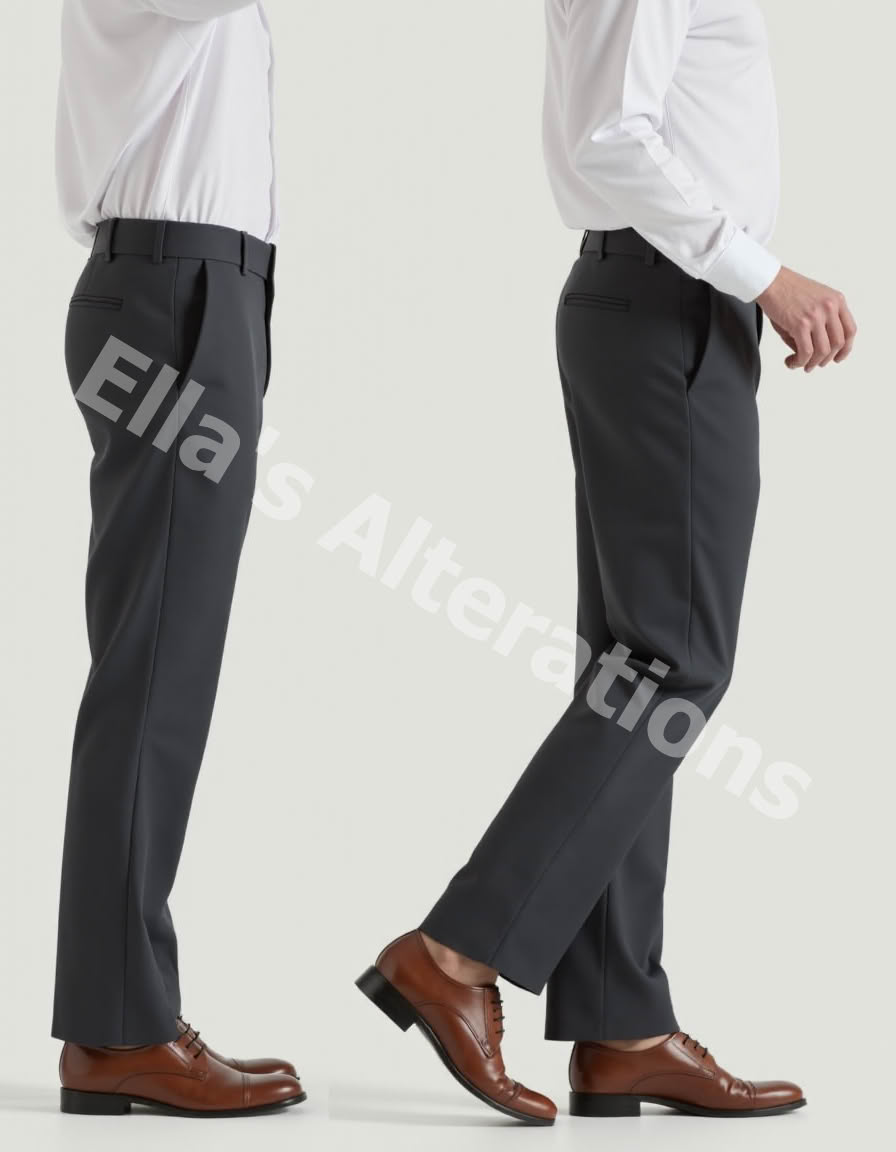
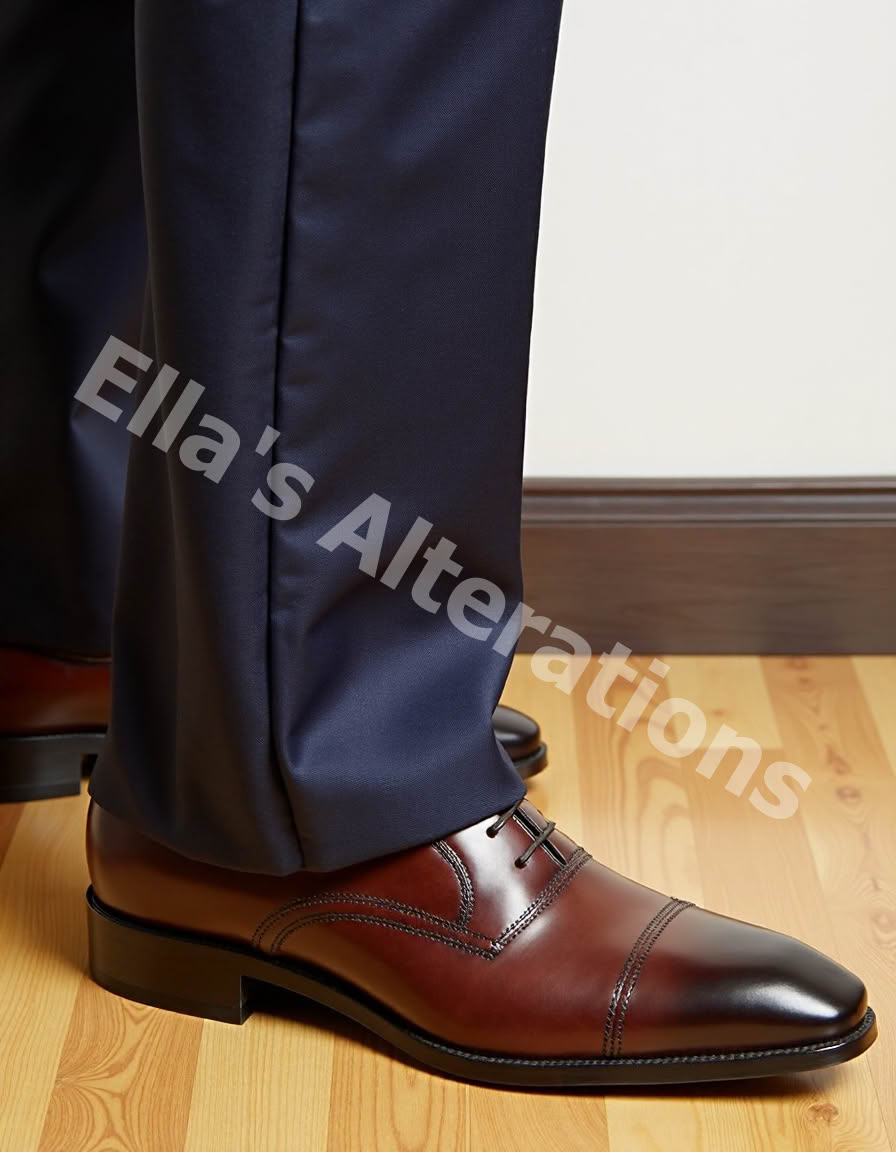
Trousers are especially important for both comfort and style.
- Pants that are too tight in the seat or thigh restrict movement.
- Pants that are too loose look sloppy.
- The break at the shoe affects the entire visual line.
- A clean pant line makes the wearer look taller, sharper, and more balanced.
- A messy pant line ruins the polish of the jacket above it.
Understanding suit anatomy also helps you recognize tailoring limits.
Some issues, like hemming trousers or shaping the waist, are relatively straightforward.
Other issues, like major shoulder reconstruction, are difficult and costly.
Knowing what anatomy can be adjusted helps you make smarter choices when buying a suit and prevents frustration later.
In the end, suit anatomy affects everything.
It determines how the suit fits, how it feels during a full day of wear, and how confident you look the moment you walk into a room.
When you understand the anatomy, you stop guessing and start dressing with intention.
Many people think tailoring is just taking fabric in or letting it out. In reality the goal is balance. A suit must move with the body while still keeping clean lines. When the shoulders, chest, and sleeves are aligned correctly the suit feels effortless. When they are not aligned the wearer constantly adjusts the jacket without realizing why.Tailor’s Insight ✂️
Quick Facts
- Shoulders are the most difficult suit area to alter
- Waist shaping is one of the most common high impact alterations
- Sleeve length adjustments are often straightforward
- Trouser hemming is one of the most common tailoring services
- Cheap fused jackets can limit alteration success over time
- Strong structure makes tailoring more worthwhile
Customer Experience
"I thought my suit was the wrong size until the tailor explained what was actually wrong. After a few alterations the jacket finally sat correctly and the trousers looked clean. It felt like a completely different suit." – Customer Review
Question
Do professional alterations really make a noticeable difference?
Answer
Yes. Proper tailoring aligns the garment with the body so the clothing looks balanced and feels comfortable.
Why Some Suits Can Be Tailored and Others Cannot:
One of the biggest misunderstandings men have about suits is believing that tailoring can fix anything.
The truth is simple.
Tailoring can improve a good suit, but it cannot rescue a suit with poor structure.
This is where understanding suit anatomy becomes essential, because it explains why some suits are worth tailoring and others are not.
A suit is not just fabric stitched together.
It is a structured garment built with internal architecture.
Inside the jacket, there are layers that create shape, support, and drape.
The quality of that structure determines how much can realistically be altered.
- A well made suit has enough seam allowance, proper canvassing, and balanced proportions.
- A cheaply made suit often lacks these features, which limits what a tailor can do.
The shoulders are the clearest example.
Jacket shoulders are the foundation of the entire suit.
If the shoulders are too wide, too narrow, sloping incorrectly, or collapsing, the whole jacket hangs wrong.
Altering shoulders is one of the most complex tailoring jobs because it involves taking apart the upper jacket, resetting the sleeve, and rebuilding the structure.
In many cases, the cost is high and the result is still not perfect.
That is why tailors often say, buy the suit for the shoulders first.
If the shoulders are wrong, tailoring becomes a losing battle.
The chest is another area with limits.
Minor adjustments can sometimes be made, but the chest shape is largely determined by the suit’s original cut.
If the jacket is too tight in the chest, letting it out depends on whether extra fabric exists inside the seams.
Many modern suits have very little allowance, meaning there is nothing to release.
If the chest is too loose, taking it in too much can distort the lapels, armholes, and balance.
Tailoring works best when the suit is already close to correct.
Jacket balance is one of the most subtle but important reasons some suits cannot be tailored successfully.
Balance refers to how the jacket sits on the body from front to back.
A man with a forward posture, rounded shoulders, or a prominent seat may need a different balance than the standard factory cut.
When balance is wrong, you see collar gaps, wrinkling, or pulling that no simple alteration fixes.
Correcting balance requires advanced tailoring and sometimes is not worth the effort unless the suit is high quality.
Waist shaping is one of the areas where tailoring shines.
A jacket that fits well in the shoulders and chest but looks boxy through the waist is often an excellent candidate for alteration.
Taking in the waist creates immediate visual improvement and is usually cost effective.
This is why many suits can be elevated dramatically with just a few smart adjustments.
But even waist shaping has limits.
- If the jacket is too large overall, excessive taking in can throw off pocket placement, lapel proportion, and the overall look.
- Sleeves and trouser hems are also highly alterable, which is why they are common tailoring jobs.
- Adjusting sleeve length, pant length, and sometimes pant waist can refine the suit quickly.
- These changes improve polish and comfort without rebuilding the garment.
However, even trousers have limits.
If the rise is wrong, the seat is poorly cut, or the legs twist due to imbalance, tailoring may not fully correct it.
Fabric quality also matters.
Some fabrics respond beautifully to tailoring, pressing, and reshaping.
Others show every stitch mark, resist clean alterations, or lose their finish when seams are moved.
Cheap fused jackets can bubble over time, making even a well altered suit look tired.
A properly canvassed jacket holds its shape and ages better, which makes tailoring more worthwhile.
What's key to remember is that tailoring is about fine-tuning and perfecting what you already have, rather than trying to drastically change your appearance.
It's about making adjustments to create a better fit and a more polished look, not about trying to completely reinvent yourself.
A tailor can sharpen a suit that already has good bones.
But tailoring cannot turn a poorly made, badly proportioned suit into a masterpiece.
Knowing the difference saves money, frustration, and disappointment.
When you understand suit anatomy, you learn to spot suits that are worth investing in.
Start with the shoulders, check the chest drape, evaluate balance, and then tailor the details.
That is how you get a suit that truly works with your body instead of fighting against it.
One of the hardest conversations a tailor has is telling a customer that a suit cannot be improved much. Tailoring works best when the suit already has good bones. If the shoulders collapse or the chest is cut incorrectly, rebuilding the garment becomes extremely complex and expensive. That is why experienced tailors always say the same thing. Buy the suit for the shoulders first.Tailor’s Insight ✂️
Comparison Table
| Suit Area | Why It Matters | Commonly Fixable | High Risk Or Limited |
|---|---|---|---|
| Shoulders | Sets the jacket frame and balance | Minor refinements only | Major changes are complex and costly |
| Chest | Controls drape, posture appearance, breathing comfort | Small adjustments if seam allowance exists | Big changes can distort lapels and balance |
| Waist | Creates shape and silhouette | Yes, often a great upgrade | Overdoing it can look tight and throw off proportions |
| Sleeves | Finishes the upper body and polish | Length often fixable | Pitch and major rework can be advanced |
| Trousers | Completes the silhouette and movement | Hem and taper often fixable | Seat, rise, twisting issues can be limited |
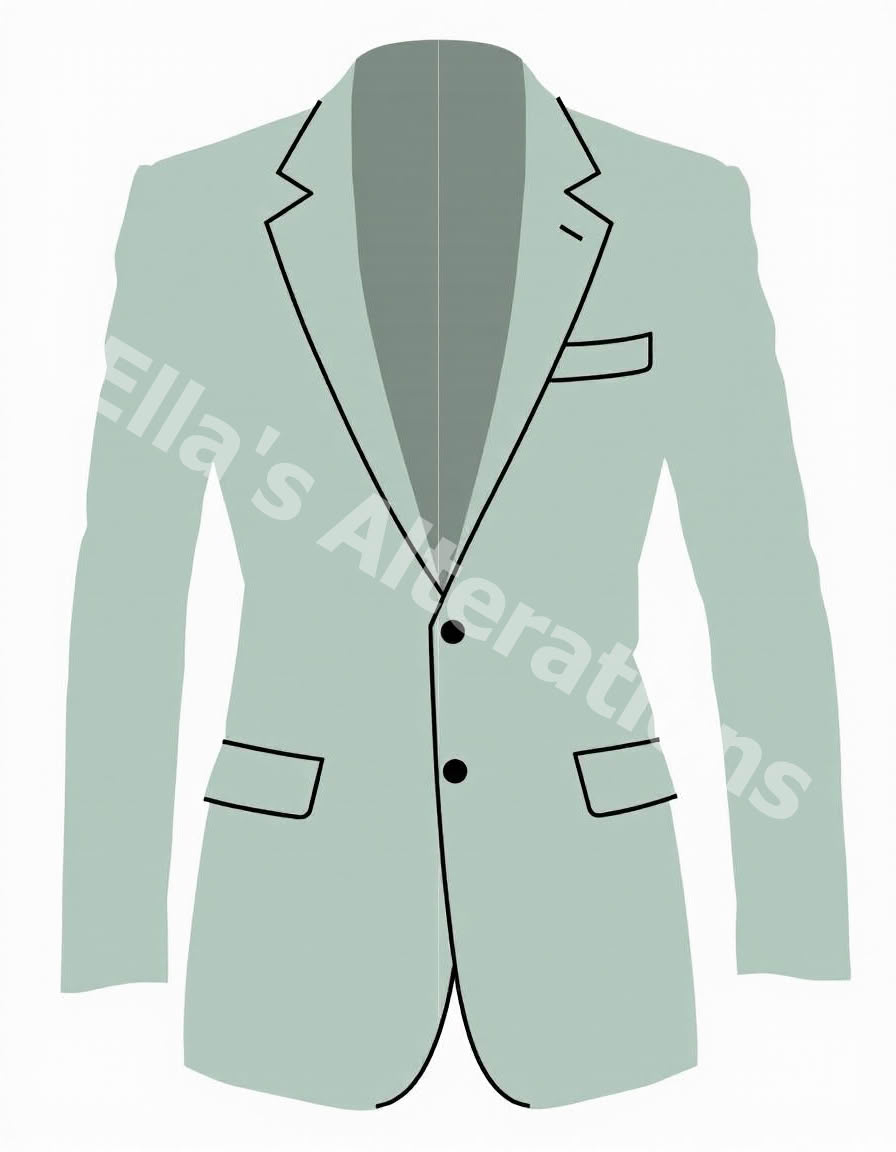
Know Your Suit: Essential Areas of a Suit That Can Be Tailored.
Quick Facts
- Shoulders are the most difficult suit area to alter
- Waist shaping is one of the most common high impact alterations
- Sleeve length adjustments are often straightforward
- Trouser hemming is one of the most common tailoring services
- Cheap fused jackets can limit alteration success over time
- Strong structure makes tailoring more worthwhile
Quick Fit Test Checklist
- Check the shoulders first
- Look for pulling across the chest
- Check sleeve length and balance
- Look for waist shape
- Check pant break at the shoe
These quick checks help determine whether the suit fits correctly or needs tailoring.
Question
What is the fastest way to check if a suit fits correctly?
Answer
Check the shoulders, chest drape, waist shape, sleeve length, and pant break. If these areas look balanced, the suit likely fits well.
How Knowing Suit Anatomy Makes You a Smarter Buyer:
Knowing suit anatomy completely changes the way you shop for a suit.
Most men walk into a store thinking the goal is to find the right size, but size is only the starting point.
A smarter buyer understands that a suit is a structured system, and the way that system is built determines whether the suit will look sharp, feel comfortable, and be worth tailoring.
When you know the anatomy, you stop buying based on guesswork and start buying with confidence.
The first way anatomy makes you smarter is that it teaches you what must fit immediately.
The shoulders are the best example.
Shoulder fit is the foundation of the jacket, and it is the hardest area to alter successfully.
A buyer who understands suit anatomy checks shoulder width and slope before anything else.
The shoulder seam should sit right at the edge of your shoulder bone, not hanging past it and not pulling inward.
If the shoulders are wrong, the suit is not a good purchase, no matter how good the price looks.
Anatomy also helps you evaluate chest drape properly.
Many men try on a suit, button it, and assume a little pulling is normal.
It is not.
The chest controls how the fabric falls across the body, and it should look smooth, not strained.
A smart buyer looks for clean lapels that lie flat and a jacket front that does not gape or tug.
Understanding chest anatomy helps you recognize when a suit is too tight, too loose, or simply cut for a different posture than yours.
The waist is where buyers often get tricked.
A jacket might fit the shoulders and chest but look boxy through the midsection.
Without anatomy knowledge, a man might assume the suit is just not flattering.
With anatomy knowledge, he realizes this is actually a tailoring opportunity.
Waist shaping is one of the most effective alterations because it creates silhouette and polish.
A smarter buyer sees a slightly loose waist and thinks, this can be refined, instead of walking away from a suit that has great potential.
Sleeves are another detail that separates casual shoppers from informed ones.
Sleeve length is easy to adjust, but sleeve balance is more complex.
A buyer who understands anatomy checks that the sleeves hang cleanly without twisting and that the armholes feel comfortable when moving.
He knows that sleeve length can be tailored, but a jacket that pulls awkwardly when he raises his arms may have deeper structural issues.
Trousers are where anatomy knowledge saves people from regret.
Many men focus only on the jacket and treat the pants as an afterthought.
But trousers complete the suit line.
A smart buyer checks the seat, thigh, and rise for comfort, because those areas are harder to change than the hem.
- Pant length is simple.
- Pant structure is not.
If the trousers twist, bunch, or feel tight in the hips, tailoring may not fully solve it.
Anatomy awareness helps you buy pants that work with your body from the start.
Knowing anatomy also makes you more aware of tailoring limits and costs.
A smarter buyer understands that not every suit is worth investing in.
If the suit has poor shoulder structure, cheap fused construction, or incorrect balance, alterations may cost more than the suit is worth.
On the other hand, a high quality suit with strong structure is a great candidate for tailoring.
Anatomy gives you the ability to spot good bones.
It also helps you shop based on proportion, not just trend.
A suit should match your body’s natural lines.
Lapel width, jacket length, button stance, and trouser taper all affect the overall silhouette.
When you understand how these parts connect, you choose suits that enhance your shape instead of fighting it.
Most importantly, suit anatomy makes you an empowered customer.
You walk into a fitting room knowing what to look for.
You ask better questions.
You communicate clearly with your tailor.
And you avoid wasting money on suits that cannot become great.
A smarter buyer does not chase a label or a discount.
He looks for structure, balance, and fit potential.
That is the power of knowing suit anatomy.
The smartest customers we work with are the ones who understand the basics of suit structure before they shop. They check the shoulders, look at the chest drape, and pay attention to how the trousers hang. When someone buys a suit with the right structure, tailoring becomes refinement instead of repair.Tailor’s Insight ✂️
Mini Glossary
- Suit anatomy means the structured zones of a suit and how they work together on the body.
- Drape means how the fabric hangs across the chest and torso.
- Waist suppression means shaping the jacket inward at the waist for silhouette.
- Sleeve pitch means the sleeve angle based on your natural arm position.
- Trouser break means how the pants meet the shoe at the hem.
The Zipper Test
The zipper test helps determine whether a garment is too tight through the torso or waist. If the zipper struggles to close or pulls apart while standing still, the garment may be too small or the structure may not match the body.
Question
What does it mean if the zipper pulls or separates?
Answer
If the zipper strains or separates, the garment is likely too tight or requires structural alteration.
The Breathing Test
A well fitted garment should allow natural breathing and movement. If the chest feels tight when inhaling or the buttons strain when you move, the garment is too restrictive.
Question
How should a suit feel when you breathe deeply?
Answer
You should be able to breathe comfortably without pulling lines or pressure across the chest.
The Sitting Test
Many garments look fine when standing but become uncomfortable when sitting. A good fit should allow natural sitting without pulling at the waist, hips, or buttons.
Question
Why is the sitting test important?
Answer
If a garment becomes tight or restrictive while sitting, the fit likely needs adjustment.
Conclusion: The Foundation of Every Great Fit:
A great fitting suit is never an accident.
It is the result of structure, balance, and an understanding of how every part of the garment works together.
That is why suit anatomy matters so much.
When you learn the anatomy, you stop seeing a suit as just a jacket and pants, and you start seeing it as a complete system designed to shape the body, support movement, and project confidence.
The foundation of every great fit begins with recognizing that suits succeed or fail as a whole.
The shoulder sets the frame, and everything below it depends on that frame being correct.
If the shoulders are wrong, the jacket will never hang cleanly.
This is why experienced tailors always begin their evaluation at the top.
A suit with strong shoulders has the potential to become exceptional.
A suit with poor shoulders will always look slightly off, no matter what adjustments are made elsewhere.
From there, the chest controls drape and comfort.
A suit should allow you to breathe, move, and stand naturally without strain.
Pulling lines across the chest, gaping lapels, or tension near the buttons are not just cosmetic issues.
They are signs that the suit is not matching the body’s shape or posture.
The chest is where the suit either feels effortless or restrictive, and it plays a major role in how polished the jacket appears.
The waist brings definition and silhouette.
This is often where tailoring delivers the most dramatic visual improvement.
A properly shaped waist creates a clean, intentional look, while a boxy waist makes even an expensive suit appear generic.
But the key is balance.
Tailoring should refine, not distort.
A suit that is shaped correctly enhances the wearer’s natural proportions rather than forcing an unnatural outline.
Sleeves and finishing details complete the upper body.
Sleeve length, cuff exposure, and clean sleeve hang are subtle signals of quality.
People may not consciously analyze sleeves, but they notice when something looks sloppy.
The smallest adjustments often create the biggest impression, because suits are judged on precision.
Trousers complete the system from the waist down.
- Pants are not secondary.
- They are essential.
A suit is only as strong as its full silhouette, and the pant line affects comfort, movement, and visual flow.
A jacket can look sharp, but if the trousers bunch, twist, or break poorly at the shoe, the outfit loses harmony.
Great fit is always head to toe.
Understanding suit anatomy also teaches one of the most important truths about tailoring.
Tailoring is refinement, not magic.
A tailor can improve fit dramatically when the suit has good structure.
Waist shaping, sleeve adjustments, pant hemming, and minor refinements can elevate a suit from average to impressive.
But tailoring cannot rebuild poor construction or fix fundamental proportion problems.
Knowing what can be tailored and what cannot saves money, frustration, and disappointment.
This knowledge makes you a smarter wearer and a smarter buyer.
You learn how to evaluate suits before you invest.
You recognize when wrinkles are clues, not flaws.
You understand that comfort and style are connected, and that the best looking suit is usually the one that moves naturally with your body.
You stop chasing the idea of perfection through sizing alone and start focusing on balance through anatomy.
In the end, suit anatomy is the foundation of confidence.
A suit that fits well does not just look better, it feels better.
It allows you to walk into a room without adjusting your jacket, tugging at your sleeves, or feeling restricted.
It supports your posture, sharpens your silhouette, and communicates intention.
Every great fit starts with understanding the system.
When you know suit anatomy, you stop guessing.
You start dressing with clarity.
And that is the real difference between wearing a suit and owning it.
A well fitting suit should feel natural the moment you put it on. You should be able to move, sit, and walk without constantly adjusting the jacket or pulling at the sleeves. When the anatomy is right, the suit supports your posture and sharpens your silhouette without effort. That is the difference between wearing a suit and truly owning it.Tailor’s Insight ✂️
Still wondering?
- Can this suit be taken out
- How long do suit alterations take
- What does suit tailoring cost
- What if the jacket feels tight in the chest
- What if the zipper will not close on formalwear pants
Understanding the Anatomy of a Suit: A Comprehensive Guide
What We Can Still Save
- Loose waist shaping
- Sleeve length adjustments
- Pant hemming
- Minor tapering
These alterations are often straightforward and can significantly improve the final appearance.
Question
What tailoring fixes are usually easy to do?
Answer
Adjusting sleeve length, hemming trousers, and shaping the waist are common alterations that can quickly improve fit.
Fabric Warning
Not all fabrics respond the same way to tailoring. Some delicate fabrics show stitch marks easily or lose their finish when seams are moved.
Structured fabrics and higher quality materials usually respond better to alterations.
Question
Does fabric type affect tailoring results?
Answer
Yes. Certain fabrics handle alterations well while delicate or low quality materials may limit what can be adjusted.
FAQs:
How does knowing suit anatomy help you buy a better suit?
Knowing suit anatomy helps you buy a better suit because it teaches you what actually matters beyond the size label.
Most men shop for suits by guessing, grabbing a familiar size, and hoping tailoring will fix the rest.
But a suit is a structured garment with specific fit zones, and understanding those zones makes you a smarter buyer from the start.
The first advantage is that you learn what must fit immediately, especially the shoulders.
Shoulder fit is the foundation of the jacket and one of the hardest areas to alter.
When you know suit anatomy, you check the shoulder seam placement, slope, and structure before you even look at the waist or sleeve length.
If the shoulders are wrong, the suit is not worth buying, no matter how good the deal seeMs.
Suit anatomy also helps you evaluate chest drape correctly.
A jacket can button up and still be wrong if the chest pulls, wrinkles, or causes the lapels to flare.
Understanding the chest zone helps you spot tension, imbalance, or poor posture match before you invest money into alterations.
The waist is another key area where anatomy knowledge gives you an edge.
Many suits fit well up top but look boxy through the middle.
A smart buyer recognizes that waist shaping is one of the easiest and most effective tailoring upgrades.
Instead of rejecting a suit that has good bones, you can identify which suits have strong potential.
Knowing anatomy also makes you pay attention to trousers, not just the jacket.
Pants complete the silhouette, and problems in the seat, rise, or thigh are harder to fix than a simple hem.
Anatomy awareness helps you choose trousers that feel comfortable and move well, so the suit works head to toe.
Most importantly, suit anatomy teaches you tailoring limits.
You learn which alterations are simple, like sleeve length or pant hemming, and which are difficult, like major shoulder reconstruction.
That knowledge prevents expensive mistakes and frustration.
In the end, knowing suit anatomy turns suit shopping into an informed process.
You choose suits with the right structure, balance, and fit potential, so you end up with a suit that looks sharp, feels comfortable, and is truly worth tailoring.
How does suit anatomy affect comfort and movement?
Suit anatomy affects comfort and movement because a suit is not designed to simply cover the body, it is designed to shape the body while still allowing natural motion.
Every part of a suit, from the shoulders down to the trousers, plays a role in how easily you can breathe, sit, walk, and move your arMs. When the anatomy is correct, the suit feels effortless.
When it is wrong, the suit can feel restrictive, stiff, or constantly uncomfortable.
The shoulders are the starting point.
Shoulder structure determines how the jacket hangs and how freely your arms can move.
If the shoulders are too tight or incorrectly shaped, you will feel pulling every time you reach forward or lift your arMs. This is one of the most common reasons men feel trapped in a suit, even if the size seems correct.
The chest area is next, and it controls breathing and upper body comfort.
A suit with a tight chest will strain across the buttons, restrict airflow, and create tension when you move.
A chest that is too loose may feel roomy, but it often causes excess fabric to collapse, making movement look sloppy rather than smooth.
Armholes are another subtle but critical part of suit anatomy.
Higher armholes usually allow better range of motion because the jacket stays closer to the body instead of lifting up when you raise your arms. Low armholes, common in cheaper suits, can make the entire jacket shift awkwardly with every movement.
The waist affects comfort when sitting or bending.
A jacket that is overly tight through the waist will bunch up or feel constricting, while a well shaped waist provides structure without squeezing.
Sleeves also matter because improper sleeve pitch can cause twisting and resistance in the arMs.
Finally, trousers complete movement and comfort.
Pants that are too tight in the seat or thigh will restrict walking and sitting.
Poor rise or imbalance can cause pulling, sagging, or constant adjustment.
A clean trouser fit supports both comfort and the full silhouette.
In short, suit anatomy determines whether your suit moves with you or fights against you.
A well built suit feels natural because every zone is working in harmony, not forcing your body into an unnatural shape.
Alteration Complexity
- Simple: Hemming pants or adjusting sleeve length
- Moderate: Waist shaping or tapering
- Complex: Structural jacket adjustments
Question
How do you know if an alteration is simple or complex?
Answer
The more the garment structure must be rebuilt, the more complex the alteration becomes.
Why can some suits be tailored easily while others cannot?
Some suits can be tailored easily while others cannot because tailoring is not magic, it is refinement.
A tailor can improve a suit that already has good structure and proper proportions, but there are limits to what can be changed once the garment is built.
The difference comes down to suit anatomy, construction quality, and how close the suit is to fitting correctly in the first place.
The most important factor is the shoulders.
Jacket shoulders are the foundation of the suit, and they are one of the hardest areas to alter.
If the shoulders are too wide, too narrow, or collapsing, fixing them requires major reconstruction.
That means taking apart the upper jacket, resetting the sleeves, and rebuilding internal structure.
This is expensive, time consuming, and often not worth it unless the suit is very high quality.
The chest is another area with limited flexibility.
A suit can sometimes be let out or taken in slightly, but only if there is enough extra fabric inside the seaMs. Many modern suits, especially cheaper ones, have very little seam allowance.
If the chest is too tight, there may be nothing to release.
If it is too loose, taking it in too much can distort the lapels and throw off the balance of the jacket.
Construction matters as well.
Higher quality suits are often canvassed, meaning they have internal layers that shape the jacket naturally over time.
Cheaper suits are frequently fused, which can bubble or lose shape, limiting how well alterations will hold up.
Fabric quality also plays a role, since some fabrics show stitch marks or do not press cleanly after adjustments.
On the other hand, certain alterations are relatively easy and highly effective.
Hemming trousers, adjusting sleeve length, shaping the waist, or refining pant taper are common tailoring jobs that can dramatically improve fit without rebuilding the suit.
The key takeaway is that tailoring works best when the suit has good bones.
- A well made suit that is close to your shape can be elevated beautifully.
- A poorly cut suit with structural problems cannot be transformed, no matter how skilled the tailor is.
What parts of a suit matter most for fit?
The parts of a suit that matter most for fit are the shoulders, chest, waist, sleeves, and trousers, because a suit works as a connected system from top to bottom.
When these key zones are balanced, the suit looks sharp, feels comfortable, and moves naturally.
When one area is off, the entire outfit can look awkward, even if the size tag seems correct.
The shoulders are the most important foundation.
Shoulder fit determines the frame of the jacket and how it hangs down the body.
- If the shoulders are too wide, the jacket droops and looks sloppy.
- If they are too narrow, the fabric pulls and restricts movement.
Shoulder structure is also one of the hardest parts to alter, which is why it must be right when you buy the suit.
Next is the chest, which controls drape and comfort.
The chest area should feel secure but not tight.
If the chest pulls near the buttons or causes lapels to flare open, the jacket is too small or poorly balanced.
If it sags or collapses, it is too loose.
Chest fit affects how confident and clean the suit looks from the front.
The waist is where shape and silhouette are created.
A jacket that fits well in the shoulders and chest but is boxy through the waist will look less polished.
Waist shaping is one of the most common and impactful tailoring adjustments because it creates a sharper outline without major reconstruction.
Sleeves matter because they finish the upper body.
Proper sleeve length, with a slight shirt cuff showing, makes the suit look intentional and refined.
Poor sleeve fit can make even an expensive suit look borrowed or unfinished.
Finally, trousers complete the head to toe fit.
Pants affect comfort, movement, and the overall silhouette.
The seat, thigh, and hem break all influence whether the suit looks balanced.
Twisting or bunching trousers can ruin the clean line of the outfit.
In short, the most important suit fit areas are the structural zones that create balance: shoulders first, then chest, waist, sleeves, and trousers.
When these work together, the suit fits like it was made for you.
Alteration Timeline Guide
- Green Zone: Plenty of time before the event
- Yellow Zone: Rush alterations required
- Red Zone: Emergency alterations only
Question
How far in advance should alterations be scheduled?
Answer
Scheduling alterations several weeks before the event allows time for proper fitting and adjustments.
How does knowing suit anatomy help you buy a better suit?
Knowing suit anatomy helps you buy a better suit because it teaches you what actually matters beyond the size label.
Most men shop for suits by guessing, grabbing a familiar size, and hoping tailoring will fix the rest.
But a suit is a structured garment with specific fit zones, and understanding those zones makes you a smarter buyer from the start.
The first advantage is that you learn what must fit immediately, especially the shoulders.
Shoulder fit is the foundation of the jacket and one of the hardest areas to alter.
When you know suit anatomy, you check the shoulder seam placement, slope, and structure before you even look at the waist or sleeve length.
If the shoulders are wrong, the suit is not worth buying, no matter how good the deal seeMs.
Suit anatomy also helps you evaluate chest drape correctly.
A jacket can button up and still be wrong if the chest pulls, wrinkles, or causes the lapels to flare.
Understanding the chest zone helps you spot tension, imbalance, or poor posture match before you invest money into alterations.
The waist is another key area where anatomy knowledge gives you an edge.
Many suits fit well up top but look boxy through the middle.
A smart buyer recognizes that waist shaping is one of the easiest and most effective tailoring upgrades.
Instead of rejecting a suit that has good bones, you can identify which suits have strong potential.
Knowing anatomy also makes you pay attention to trousers, not just the jacket.
Pants complete the silhouette, and problems in the seat, rise, or thigh are harder to fix than a simple hem.
Anatomy awareness helps you choose trousers that feel comfortable and move well, so the suit works head to toe.
Most importantly, suit anatomy teaches you tailoring limits.
You learn which alterations are simple, like sleeve length or pant hemming, and which are difficult, like major shoulder reconstruction.
That knowledge prevents expensive mistakes and frustration.
In the end, knowing suit anatomy turns suit shopping into an informed process.
You choose suits with the right structure, balance, and fit potential, so you end up with a suit that looks sharp, feels comfortable, and is truly worth tailoring.

About Us





Ella’s Style Confidence
Brought to you by Ella’s Alterations
-
Your body is not the problem. The fit is.
If something feels off when you put it on, that does not mean it is wrong for you. It means it has not been tailored for you yet. Clothes are made for averages. You are not average. -
Confidence starts at the seams.
The smallest adjustments change everything. A lifted waist, a shaped bust, a clean hem. These details quietly do the heavy lifting so you can walk in like you own the room. -
Comfort is not optional.
If you are pulling, tugging, or holding your breath, the garment is failing you. Real tailoring lets you move, sit, dance, and live without thinking about your clothes. -
Trends fade. Fit lasts.
Styles come and go fast. A perfect fit never goes out of style. When something fits you correctly, it always looks intentional and expensive. -
Support should be built in, not added later.
Hidden structure matters. Boning, cups, straps, and shaping should work with your body, not against it. When support is done right, no one sees it but everyone notices the result. -
You deserve clothes that work as hard as you do.
Whether it is a wedding dress, a suit, or everyday wear, your clothes should show up for you. Sharp, polished, and reliable. -
Confidence is quiet, not loud.
The best dressed people are not uncomfortable or flashy. They look effortless because their clothes fit correctly and feel natural. -
One great alteration beats five new outfits.
Fixing what you already own often gives you more confidence than buying something new. A tailored piece feels personal. Like it was made just for you. -
When it fits right, you stand differently.
Posture changes. Shoulders relax. You stop adjusting and start owning your space. That shift is what people actually notice. -
You are allowed to feel amazing in your clothes.
Not just okay. Not just good enough. Amazing. That is the standard.
Local Credibility
Ella’s Alterations is trusted by brides, professionals, and families across Central Florida for one reason. The work is done right.
Awards & Recognition
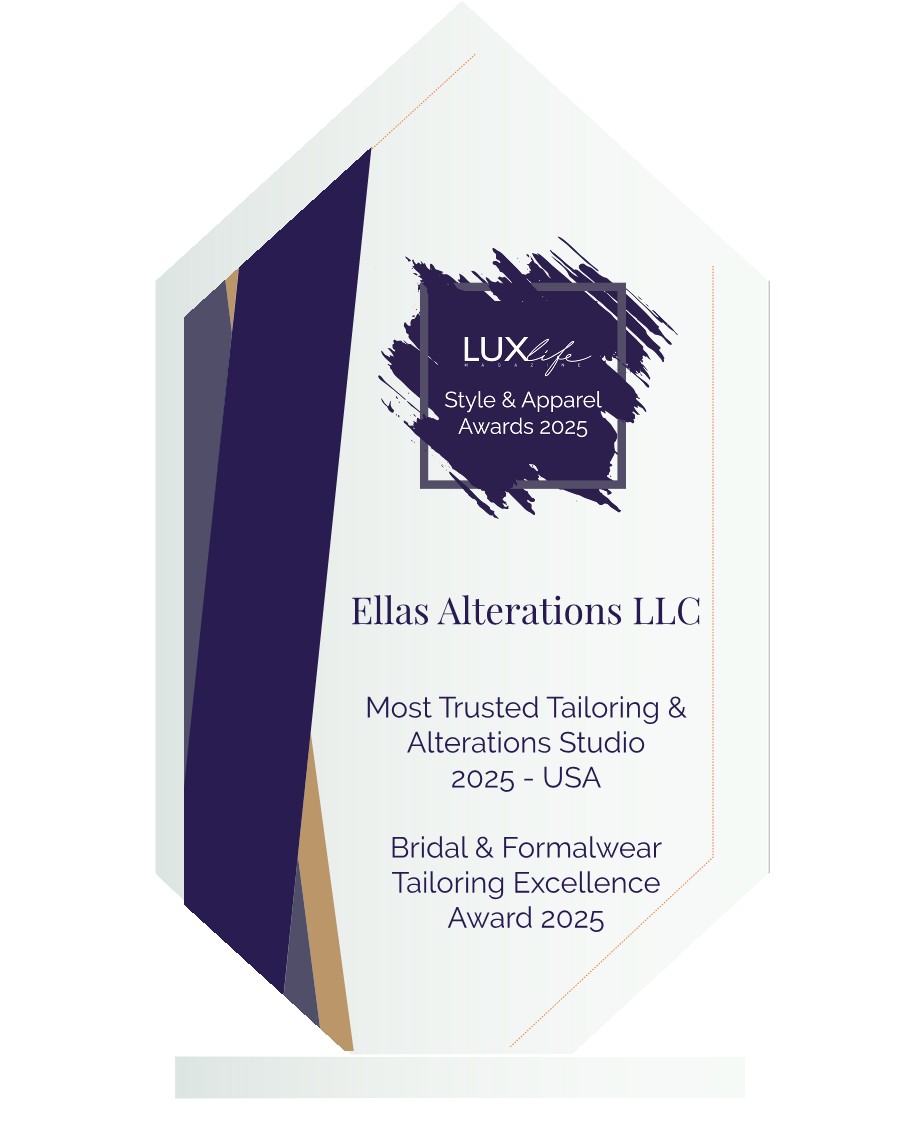
- Most Trusted Tailoring & Alterations Studio 2025 – USA
- Bridal & Formalwear Tailoring Excellence Award 2025
- Recognized nationally by LUXlife Magazine for craftsmanship and client trust
- Chosen year after year for precision bridal and formal tailoring
- Best Wedding Dress & Formalwear Tailoring Zephyrhills 2026
- NextDoor Neighborhood Favorite 2023 2024 2025
Service Area
Proudly serving Zephyrhills, Pasco County, Tampa, Wesley Chapel, Lakeland, and surrounding Central Florida communities. Clients travel from across the region for expert alterations that local shops simply cannot match.
Depth of Craft
With over 30 years of hands on tailoring experience, Ella works at a master level. This is not basic hemming or quick fixes. This is true garment engineering. Wedding gowns with structure, suits that need balance, formalwear that must move and photograph perfectly. Every adjustment is intentional and precise.
Proof of Trust & Fitting Care
Every fitting is handled with respect, privacy, and patience. Measurements are double checked. Details are explained. Nothing is rushed. Nothing is guessed.
Clients return because they feel heard, supported, and confident. Dresses are protected. Fabrics are handled correctly. Fit decisions are made with experience, not shortcuts.
This is why generations of clients trust Ella with their most important garments. When it has to fit perfectly, they choose experience.

Bridal & Formalwear Tailoring Excellence Award 2025 – USA
Award Winning Bridal & Formalwear Tailoring
Ella’s Alterations is proudly recognized as one of Zephyrhills’ most trusted tailoring studios, specializing in wedding dress and formalwear alterations.

NextDoor Neighborhood Favorite 2023, 2024, 2025

Best Wedding Dress & Formalwear Tailoring Zephyrhills 2026

Proud winner: Best Bridal & Formalwear Alterations Studio 2026 - USA

Proud winner: Best Wedding Dress and Formalwear Tailoring, Zephyrhills 2026
Why Clients Trust Ella’s Alterations
- 30 plus Years of Expertise: Master tailoring and formal wear alterations trusted across Florida.
- Award Winning Service: Best of Florida Tailor and Best of Zephyrhills.
- Private Bridal Fittings: Discreet, elegant, and tailored to you.
- Proven Local Reputation: Five star customer reviews and repeat clients from Tampa to Orlando.
- Transparent and Personal: Clear pricing, expert guidance, and no rushed fittings.
- Recognized nationally by LUXlife Magazine for craftsmanship and client trust
- Chosen year after year for precision bridal and formal tailoring
- Best Wedding Dress & Formalwear Tailoring Zephyrhills 2026
- NextDoor Neighborhood Favorite 2023 2024 2025
Address: 6986 Fort King Road, Zephyrhills FL 33541
Phone: +1 813-445-8894
Email: admin@ellasalterations.com
Hours:
Get Directions | Book Your Fitting