A Tailor's Guide: Jacket Chest: Where Fit Meets Function.
TLDR: Quick Take
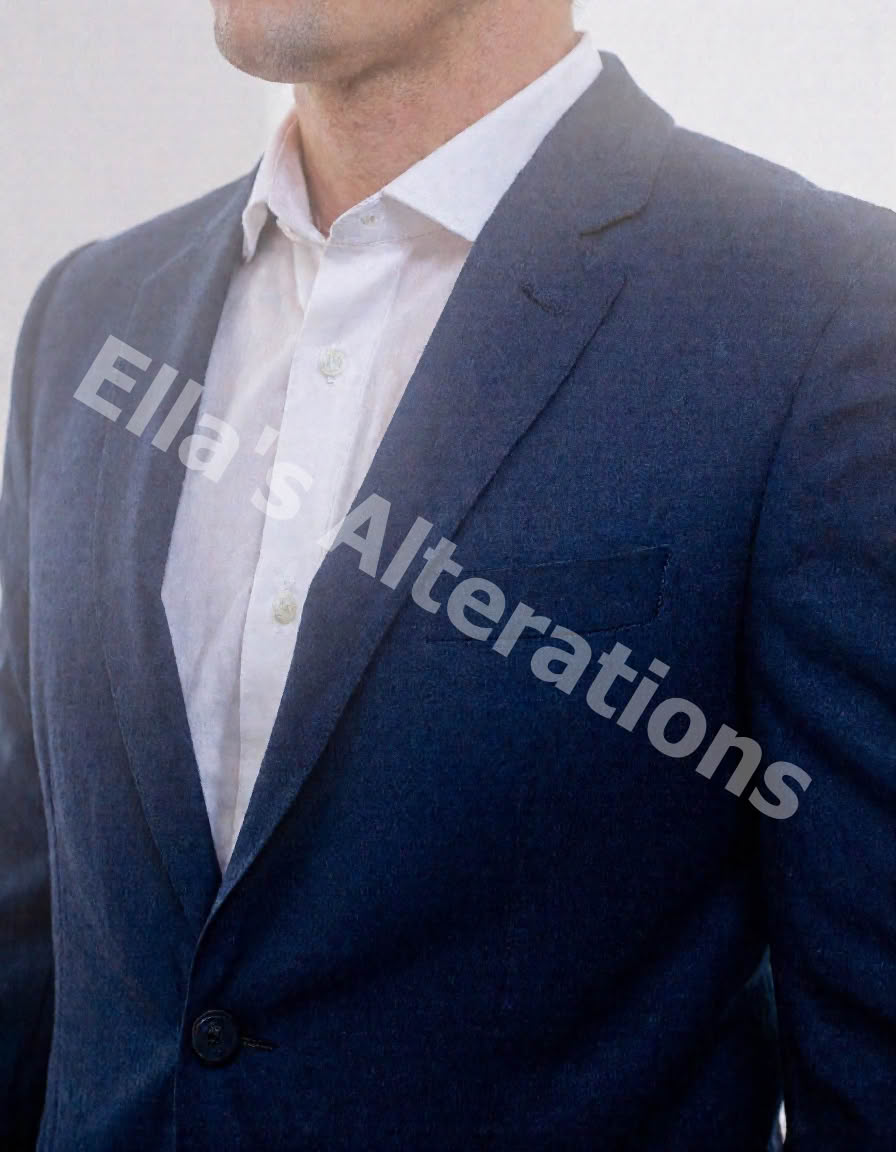
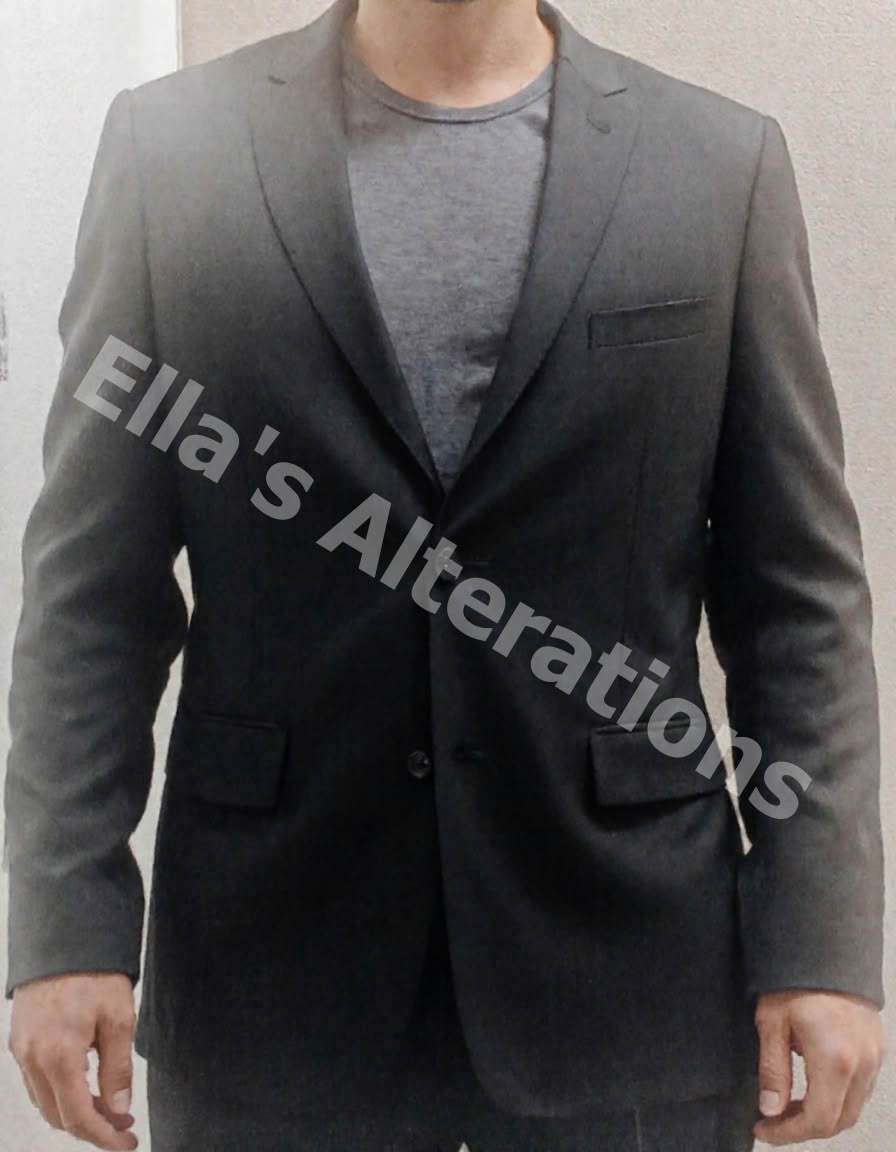
A well-fitted jacket chest should allow enough room for your hand to slide comfortably between your chest and the fabric without pulling at the buttons or creating excessive slack when you move.
Listen: Grab the jacket's back yoke and lift it off the shoulders. If you can't fit your hand flat between the fabric and your back, it's too tight. A proper fit allows for a comfortable layer underneath without pulling at the button stance or creating unsightly wrinkles across the chest. (Audio Guide)
Fast Answer
Problem this solves: Jackets that are too tight or too loose in the chest, causing discomfort and poor appearance.
Who this is for: Men in their 20s and 30s looking to improve their suit or blazer fit.
What to do next: Measure your chest accurately and assess the current fit of your jacket.
How Should A Suit Jacket Fit In The Chest?
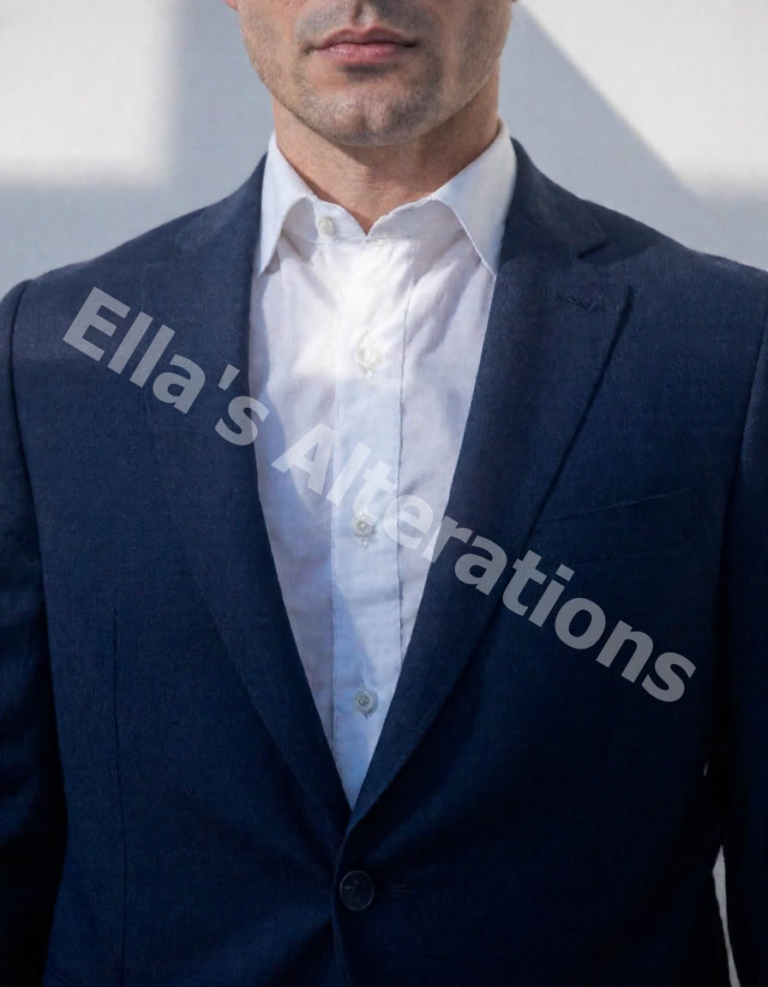
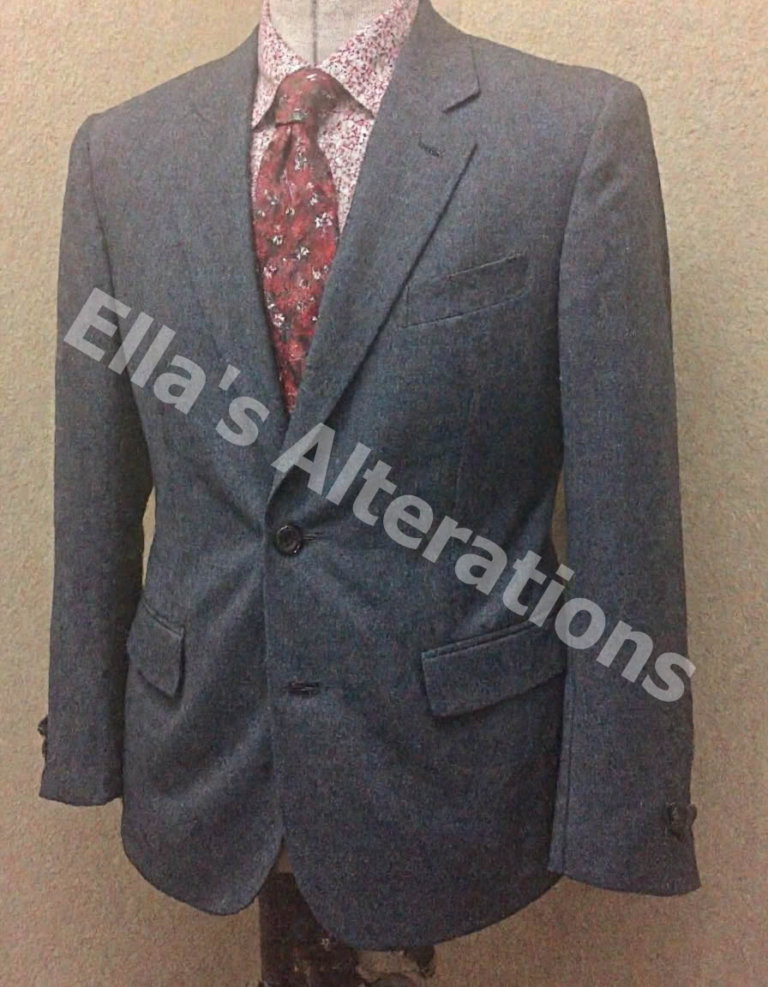
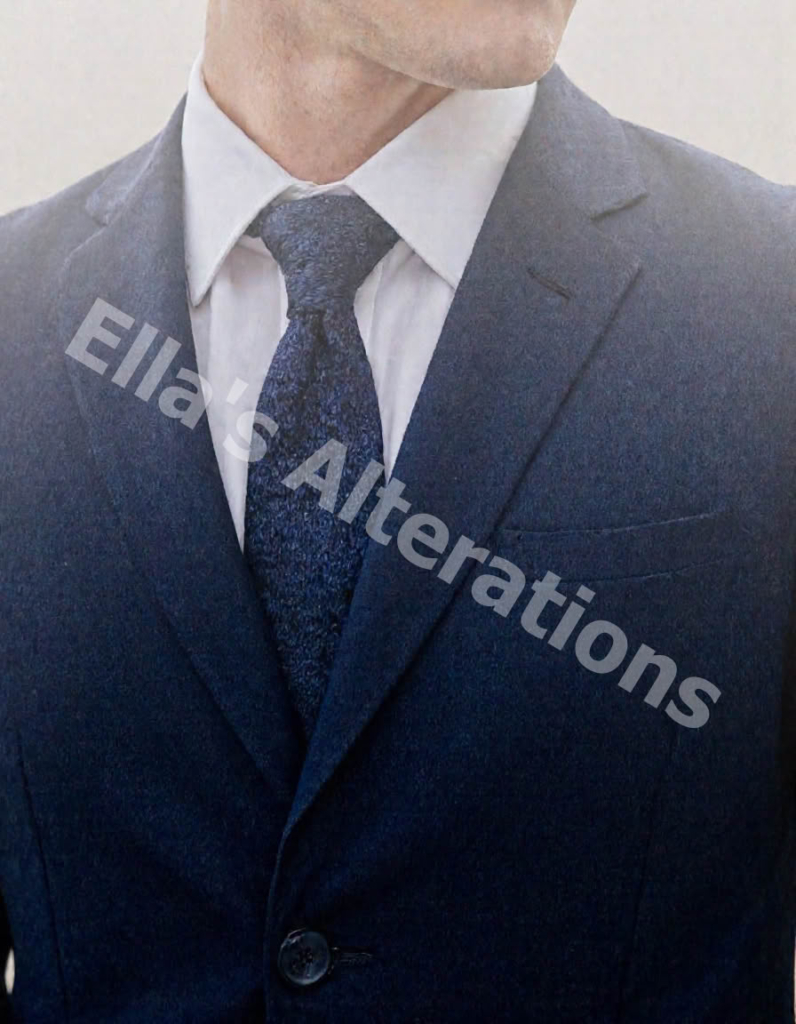
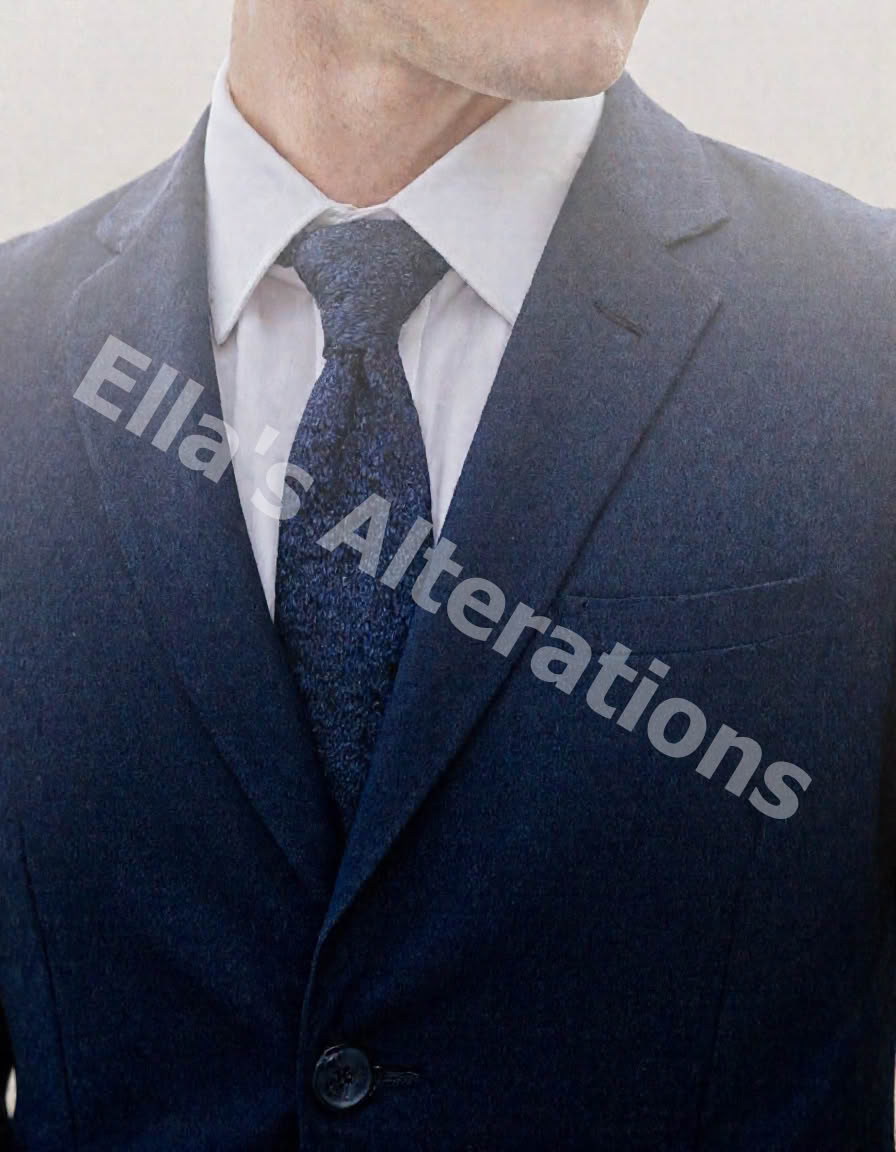
Answer: A well-fitted jacket should allow enough room for your hand to slide comfortably between your chest and the fabric. There should be no pulling at the buttons or excessive slack when moving. The fit should accommodate a layer underneath while maintaining a clean silhouette.
Key Takeaways
- Ease is key You need 2-4 inches of extra space in the chest measurement for comfort and movement.
- Check the buttons Pulling or gapping at the button stance is the primary sign of a poor chest fit.
- Measure accurately Always measure the fullest part of your chest with a soft tape, keeping it level.
- Mind the back A jacket that rides up when you lift your arms often indicates a tight chest pulling the hem.
- Professional help Significant fit issues may require professional alteration to maintain the jacket's structure.
Why The Chest Fit Is Everything
The chest area is where a jacket makes or breaks its silhouette.
It’s the anchor point for the lapels, the shoulders, and how the fabric drapes down to the waist.
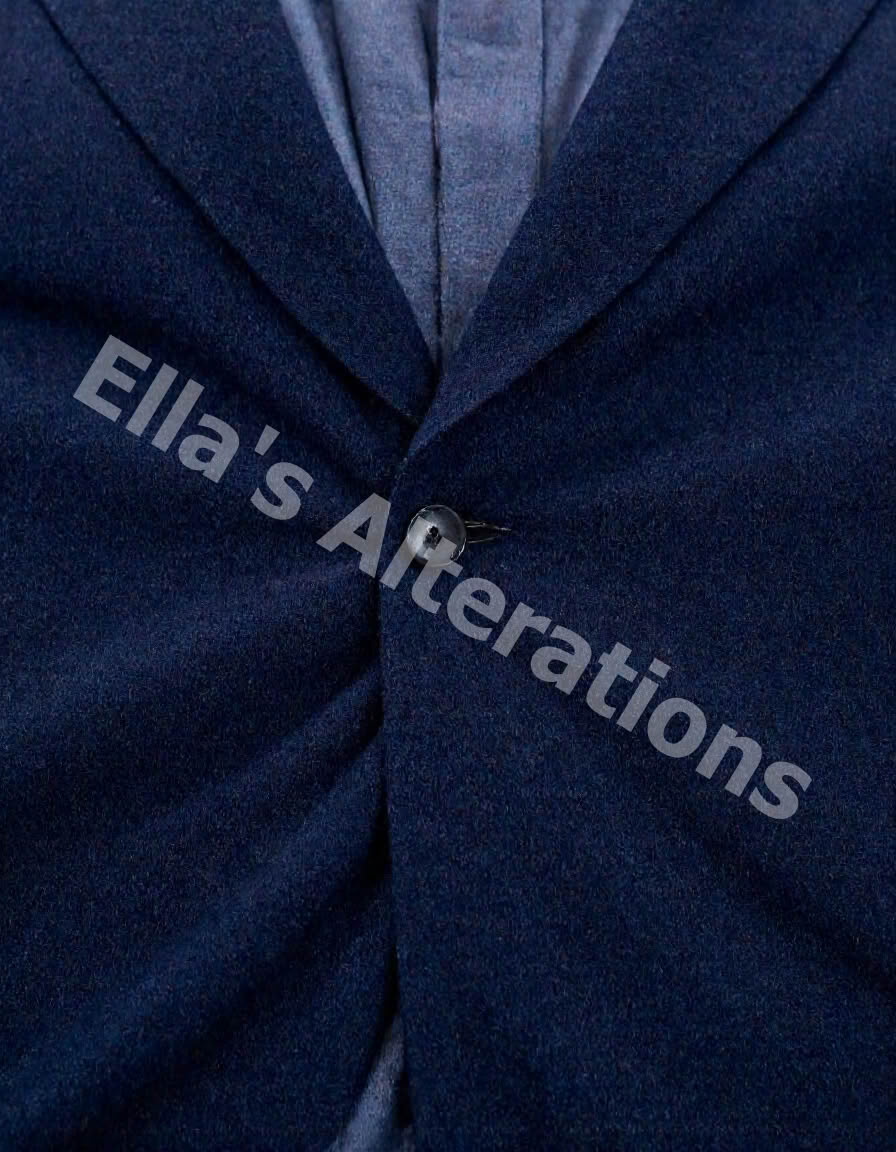
If the chest is too tight, you’ll see pulling at the button stance and vertical creases that make the jacket look strained.
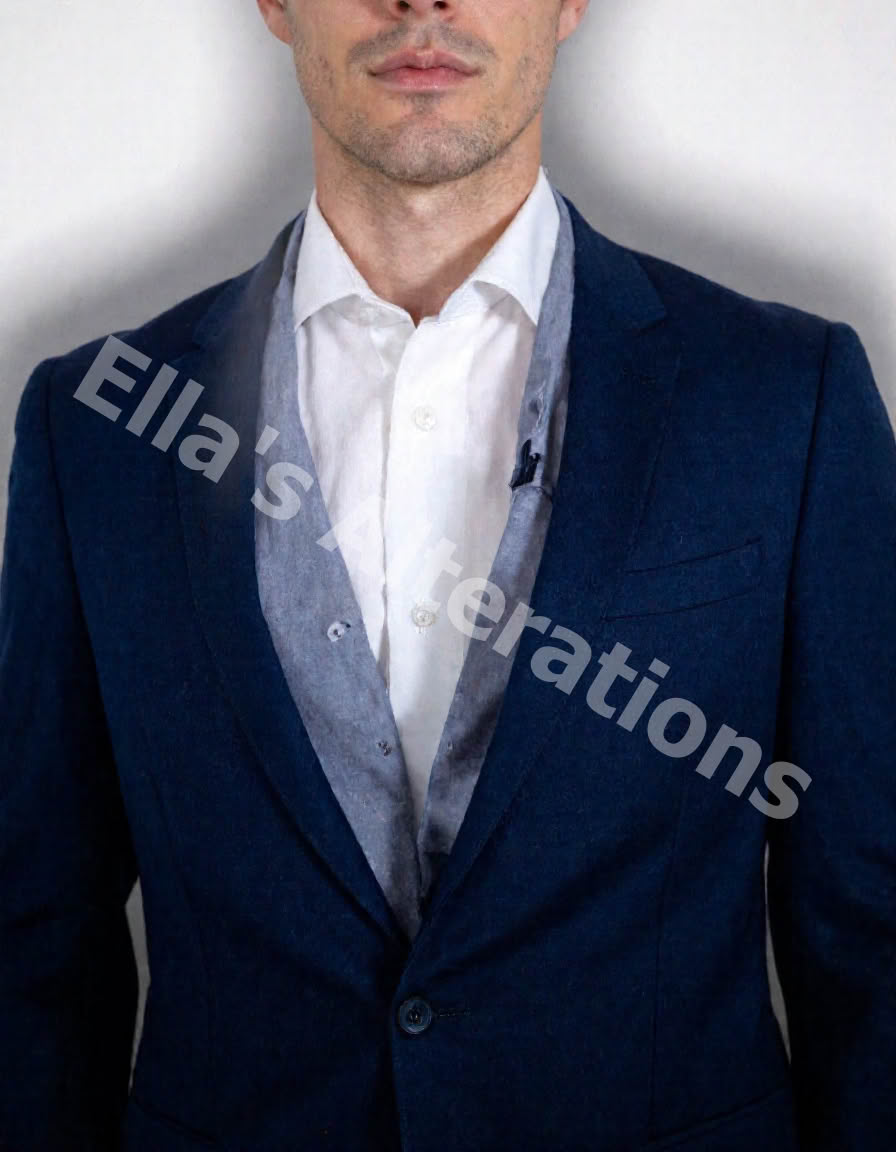
If it’s too loose, the lapels will gap open and the whole thing looks like a sack of potatoes. Neither is flattering, and both are uncomfortable.
For a guy in his 20s or 30s, you’re probably wearing jackets for weddings, job interviews, or just trying to look sharp on a Friday night.
You don’t need a bespoke suit from Savile Row, but you do need a garment that moves with you.
A proper chest fit allows for a natural layering of a t-shirt or a dress shirt underneath without restricting your movement. It’s about balance.
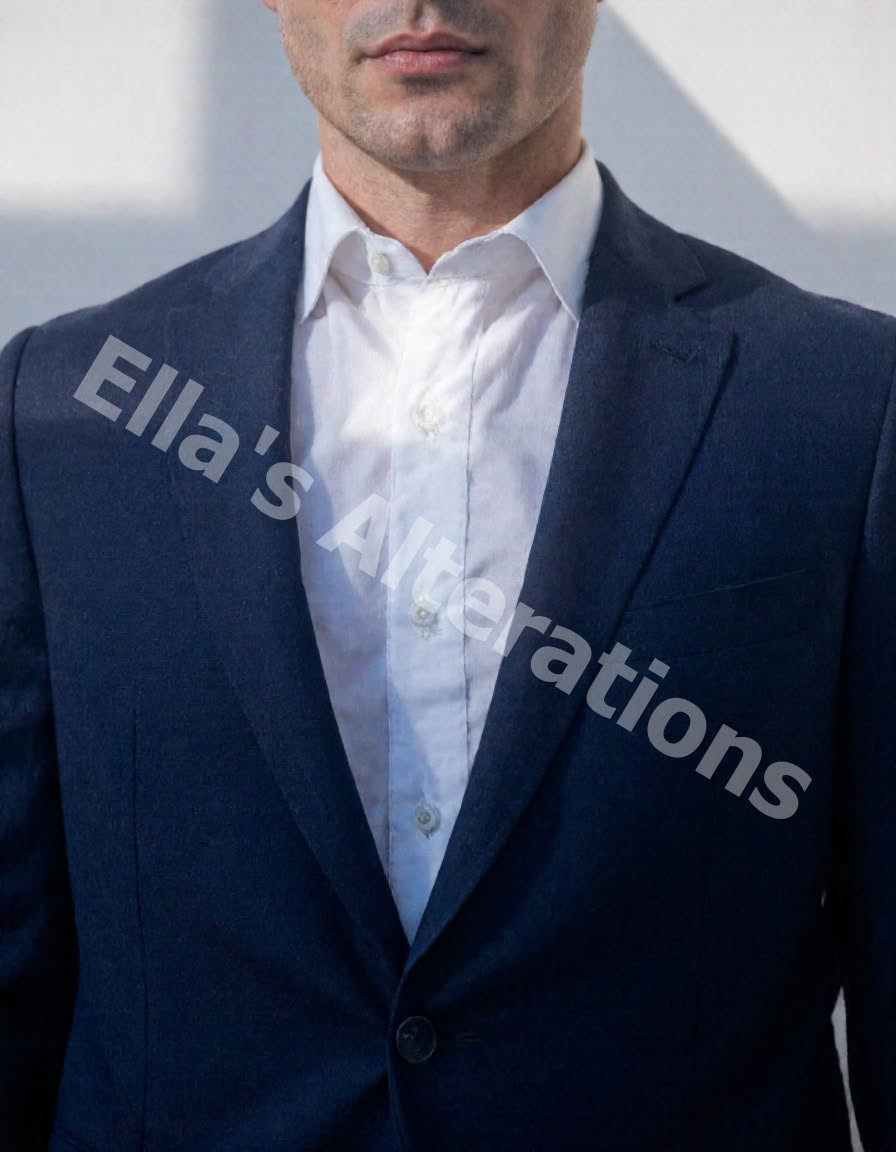
The jacket should skim your chest, not squeeze it, and leave just enough room for breathing and posture changes.
How to Measure Your Chest Correctly
Stop guessing based on a size chart online.
Those numbers are generic and often way off for individual body types.
To get an accurate measurement, stand up straight with your arms relaxed at your sides.
Wrap a soft measuring tape around the fullest part of your chest, directly under your armpits and over your shoulder blades.
Keep the tape level across your back.
Do not pull the tape tight.
You’re measuring the actual circumference of your body, not trying to compress it.
Add about 2 to 4 inches of ease to this measurement.
This ease is crucial.
It’s the space that allows the jacket to function.
Without it, you’re fighting the fabric every time you raise your arms or sit down.
This baseline number is what a tailor uses to determine the right size block for you, or if an alteration is even feasible.
| Fit Issue | Visual Cue | Likely Fix |
|---|---|---|
| Too Tight | Button pulling, vertical creases | Professional alteration or new size |
| Too Loose | Gapping buttons, baggy sides | Taking in the side seams |
| Riding Hem | Jacket moves up when arms raised | Lengthen side seams or check shoulder fit |
Tailor’s Insight ✂️
When I fit a jacket, I don't just look at the chest in isolation. I check how the tension in the chest affects the shoulder slope and the balance of the back. If the chest is tight, it pulls the shoulders forward, which throws off the whole look. A good fit is a harmony between these parts.
Signs Your Jacket Needs Attention
There are a few dead giveaways that your jackets' chest fit is off.
First, check the button stance.
If the front buttons pull apart in a starburst shape or create a gap at the top, the chest is too tight.
It’s a common problem with off-the-rack suits that cut narrow for the average buyer but don’t account for individual chest development.
Second, look at the back.
If the jacket rides up when you lift your arms, the side seams are likely too short, which is often a symptom of a tight chest pulling the hem.
Finally, check for horizontal wrinkles.
These usually mean the jacket is too tight and the fabric is being forced to expand in a way it wasn’t designed to.
These issues are fixable, but only if the tailoring doesn’t compromise the shoulder structure.
Tailor’s Insight ✂️
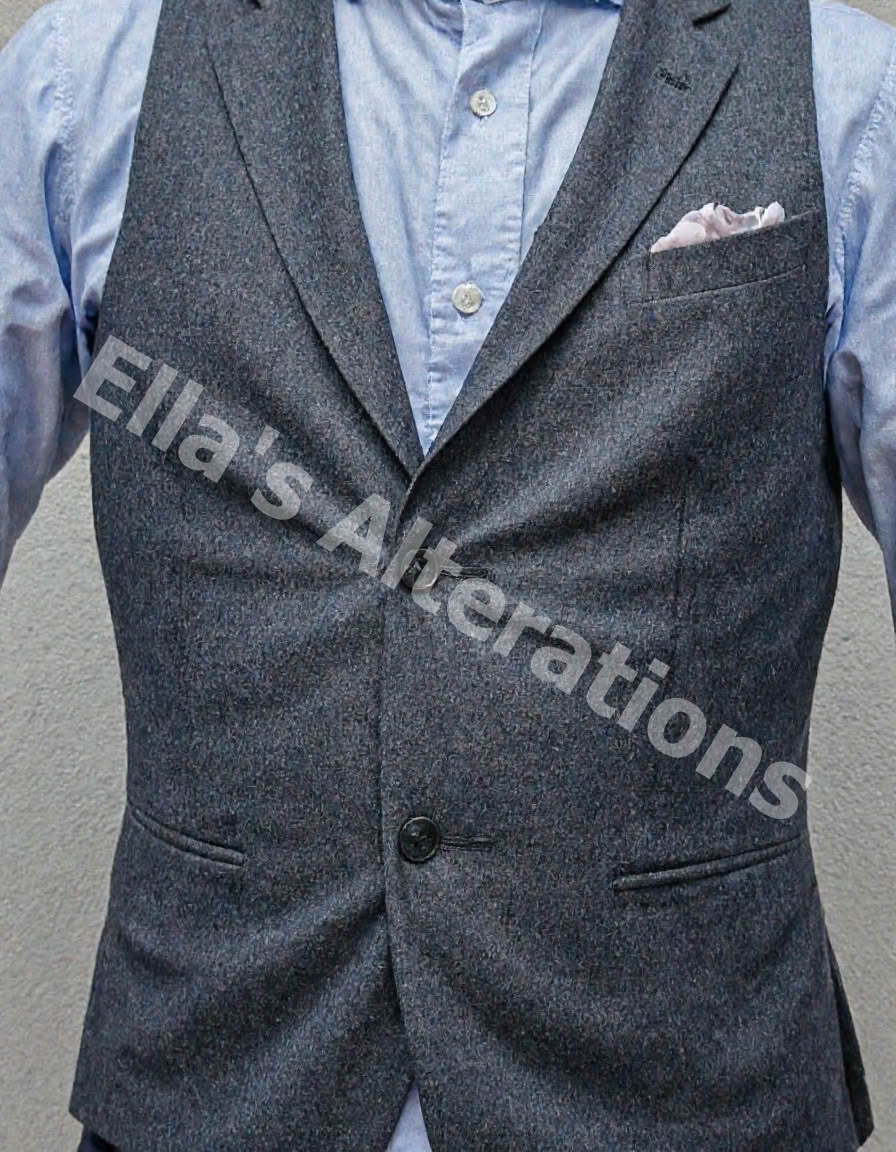
I always ask clients to move their arms when trying on a jacket. A jacket that looks perfect standing still might be completely unusable if you can't raise your arms to clink glasses or drive. The chest ease determines this functionality, so I prioritize movement over a static, skinny look.
Mini Glossary
- Ease
- The extra room built into a garment beyond the body's actual measurements to allow for movement and layering.
- Button Stance
- The vertical line where the buttons and buttonholes are placed on the front of a jacket.
- Drape
- How the fabric hangs and falls on the body; a key factor in how a jacket looks.
- Yoke
- The horizontal seam at the top of the back of a jacket, often used as a grip point during fitting.
- Silhouette
- The overall shape or outline of the garment as it sits on the body.
Frequently Asked Questions
How Much Room Should I Leave Between My Chest And The Jacket Fabric For The Best Fit?
When I am fitting a jacket for a customer, I do not rely on a static number or a generic size chart.
Instead, I look for a specific amount of ease that allows the garment to function without compromising its silhouette.
The general rule of thumb I use is that there should be enough space to slide a flat hand comfortably between your chest and the inner fabric.
If you have to force your hand in, or if it feels like it is being crushed, the jacket is too tight.
On the other hand, if you can slide your whole palm and fingers in with excessive slack, it is likely too loose, which causes the lapels to gape open and makes the garment look sloppy rather than tailored.
For a proper fit, I recommend adding roughly two to four inches of ease to your actual body measurement.
This extra space is not wasted; it is the space that allows you to move, sit down, or layer a t-shirt or dress shirt underneath without the buttons pulling apart in a starburst shape.
I always ask my clients to lift their arms to shoulder height during a fitting.
If the hem rides up significantly or the shoulder seams shift, the chest is probably too tight and pulling the entire structure forward.
I prioritize this functionality over a static, skinny look because a jacket that restricts movement is essentially useless.
It should skim your chest, not squeeze it, maintaining a clean line while allowing for natural posture changes.
This balance is what creates the professional, intentional look that proper tailoring aims to achieve.
Know Your Suit: Essential Areas of a Suit That Can Be Tailored.
What Are The Most Common Visual Signs That My Suit Jacket Is Too Tight In The Chest?
There are a few dead giveaways that tell me immediately when a jacket’s chest fit is off, and I always point these out to my customers.
The most obvious sign is pulling at the button stance.
When the buttons are fastened, if the fabric pulls apart into a star shape or creates a gap at the top, the chest is too tight.
This is extremely common with off-the-rack suits that are cut narrow for an average body type but do not account for individual chest development.
I see this all the time, and it can often be fixed if the tension is not too severe.
Another critical check is the back of the jacket. I ask clients to lift their arms.
If the jacket rides up on their body when they do this, it is usually because the side seams are too short, which is a direct symptom of a tight chest pulling the hem up.
I also look for horizontal wrinkles across the chest area.
These wrinkles appear when the fabric is being forced to expand beyond its designed limits.
While I can sometimes take in side seams to reduce looseness, expanding a tight chest by more than about an inch is rarely possible without ruining the shoulder structure and the overall balance of the garment.
So, if you see these signs, it is a clear indicator that the jacket is fighting against your body shape rather than moving with you.
How Do You Measure My Chest Correctly If I Want To Order A Custom Suit Or Check My Size?
I always tell my customers to stop guessing based on online size charts, which are generic and often way off for individual body types.
To get an accurate measurement that I can use to determine the right size block or assess if an alteration is feasible, you need to measure the actual circumference of your body.
Stand up straight with your arms relaxed at your sides.
Wrap a soft measuring tape around the fullest part of your chest, which is directly under your armpits and over your shoulder blades.
Keep the tape level across your back so it does not dip down.
Do not pull the tape tight; you are measuring your body, not trying to compress it.
This baseline number is the starting point.
Once you have that number, you add about two to four inches of ease.
This ease is crucial because it is the space that allows the jacket to function.
Without it, you will be fighting the fabric every time you raise your arms or sit down.
When I evaluate a jacket for a client, I look at the existing seam allowances and the construction.
If the jacket is already made, I check if the fabric has enough slack to be let out.
If you are ordering a new garment, providing this accurate measurement ensures that the tailor can create a block that fits your specific body shape, rather than forcing you into a standard size that does not account for your posture or chest development.
Can A Tailor Fix A Jacket That Is Already Too Tight In The Chest, Or Do I Need To Buy A New One?
This is one of the most common questions I get, and the honest answer is that it depends entirely on the construction of the specific garment.
Unlike a waist or sleeve, where there is usually excess fabric to take in, the chest is a structural foundation.
Expanding a tight chest is much harder than shrinking it.
If the jacket is only slightly tight, I might be able to let out the side seams or the lining if the original seam allowances were left large enough by the manufacturer.
However, this is a delicate process.
I have to check the shoulders, the armholes, and the back yoke to ensure that letting out the sides does not distort the balance of the jacket.
If the tension is severe, indicated by significant pulling at the buttons or deep horizontal wrinkles, it is often not feasible to expand the chest without ruining the shape and drape of the garment. In those cases, I usually recommend buying a new jacket with the correct size rather than attempting a repair that will look compromised.
I value craftsmanship over shortcuts, and I would rather be honest about the limitations of the fabric than produce a result that looks patched or unnatural.
FAQ Parts Of A Dress. | Ella’s Alterations
Why Does A Jacket That Fits Well In The Mirror Look Terrible When I Move Around?
This happens because many people only evaluate a jacket while standing still, but a garment’s primary function is to move with you.
I always ask my clients to move their arms, sit down, and gesture during a fitting because a jacket that looks perfect in a static position can be completely unusable in real life.
The chest ease determines this functionality. If the chest is too tight, it pulls the shoulders forward and restricts your range of motion.
You might find yourself unable to raise your arms to clink glasses, reach into a pocket, or drive a car comfortably.
The fabric gets stressed, leading to wrinkles and a strained appearance that no amount of ironing can fix.
When I fit a jacket, I check how the tension in the chest affects the shoulder slope and the balance of the back.
A good fit is a harmony between these parts.
If the chest is tight, it distorts the entire silhouette, making the jacket look boxy or pulled.
I prioritize movement over a static, skinny look because comfort is key to a professional appearance.
A jacket should allow for a natural layering of clothing underneath without restricting your movement. It is about balance.
The jacket should skim your chest and leave just enough room for breathing and posture changes.
If you cannot move freely, the fit is wrong, no matter how sharp it looks in a photo.
Getting the chest fit right is about respecting the balance of the garment. It’s not about making it as tight as possible for a skinny look, nor is it about drowning in fabric.
It’s about finding that middle ground where the jacket looks intentional and feels natural.
Whether you’re buying a new suit or altering an existing one, start with accurate measurements and honest assessment of the fabric.
If you’re in the Zephyrhills or Tampa Bay area, bringing your jacket to a professional who can evaluate the construction and ease is your best move.
A few hours of skilled tailoring can save a garment that would otherwise be destined for the back of your closet.
Good fit is worth the effort.
Quick Facts
- Ideal Ease 2 to 4 inches added to your body measurement for a comfortable fit.
- Common Issue Button pulling is the most frequent sign of a jacket that is too tight.
- Measurement Spot Measure around the fullest part of the chest, under the armpits.
- Tailoring Limit Expanding a tight chest by more than 1 inch is rarely possible without ruining the shape.
- Best Fabric Wool and wool blends drape better and hide minor fit issues than stiff cotton or linen.
Ella’s Style Confidence
How to check if your jacket is right for you.
- The Hand Test Slip your hand flat between your chest and the jacket; it should fit comfortably without forcing it.
- Button Check Fasten the middle button and ensure the fabric closes smoothly without creating a gap at the top or pulling at the bottom.
- Arm Raise Lift your arms to shoulder height; the jacket should move with you without the hem riding up significantly.
Local Credibility
- Local Expertise Serving Zephyrhills and the Tampa Bay area with professional tailoring and alterations.
- Quality Focus We prioritize craftsmanship and proper fit over quick, cheap fixes.
- Personal Service Every garment is evaluated individually to ensure it fits your specific body and style.
Ella’s Style Confidence
Brought to you by Ella’s Alterations
-
Your body is not the problem. The fit is.
If something feels off when you put it on, that does not mean it is wrong for you. It means it has not been tailored for you yet. Clothes are made for averages. You are not average. -
Confidence starts at the seams.
The smallest adjustments change everything. A lifted waist, a shaped bust, a clean hem. These details quietly do the heavy lifting so you can walk in like you own the room. -
Comfort is not optional.
If you are pulling, tugging, or holding your breath, the garment is failing you. Real tailoring lets you move, sit, dance, and live without thinking about your clothes. -
Trends fade. Fit lasts.
Styles come and go fast. A perfect fit never goes out of style. When something fits you correctly, it always looks intentional and expensive. -
Support should be built in, not added later.
Hidden structure matters. Boning, cups, straps, and shaping should work with your body, not against it. When support is done right, no one sees it but everyone notices the result. -
You deserve clothes that work as hard as you do.
Whether it is a wedding dress, a suit, or everyday wear, your clothes should show up for you. Sharp, polished, and reliable. -
Confidence is quiet, not loud.
The best dressed people are not uncomfortable or flashy. They look effortless because their clothes fit correctly and feel natural. -
One great alteration beats five new outfits.
Fixing what you already own often gives you more confidence than buying something new. A tailored piece feels personal. Like it was made just for you. -
When it fits right, you stand differently.
Posture changes. Shoulders relax. You stop adjusting and start owning your space. That shift is what people actually notice. -
You are allowed to feel amazing in your clothes.
Not just okay. Not just good enough. Amazing. That is the standard.
Local Credibility
Ella’s Alterations is trusted by brides, professionals, and families across Central Florida for one reason. The work is done right.
Awards & Recognition
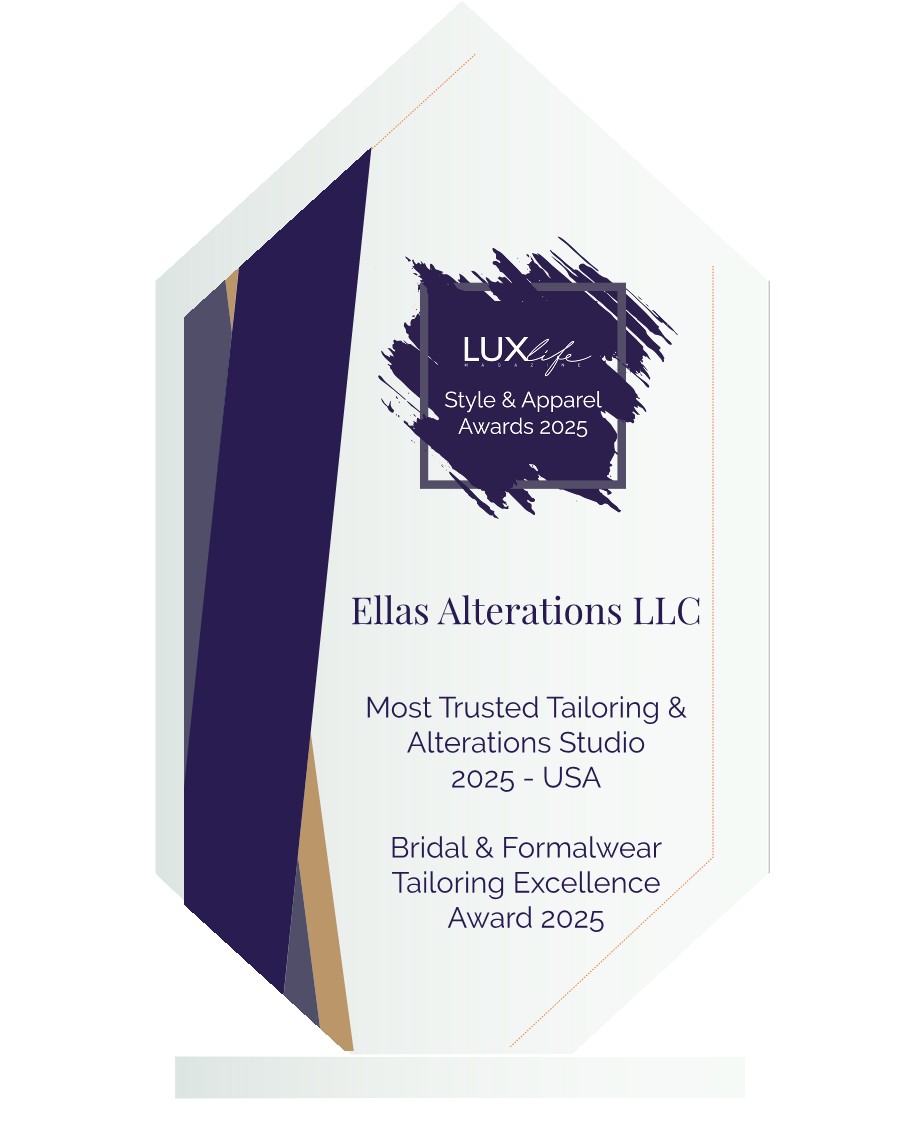
- Most Trusted Tailoring & Alterations Studio 2025 – USA
- Bridal & Formalwear Tailoring Excellence Award 2025
- Recognized nationally by LUXlife Magazine for craftsmanship and client trust
- Chosen year after year for precision bridal and formal tailoring
- Best Wedding Dress & Formalwear Tailoring Zephyrhills 2026
- NextDoor Neighborhood Favorite 2023 2024 2025
Service Area
Proudly serving Zephyrhills, Pasco County, Tampa, Wesley Chapel, Lakeland, and surrounding Central Florida communities. Clients travel from across the region for expert alterations that local shops simply cannot match.
Depth of Craft
With over 30 years of hands on tailoring experience, Ella works at a master level. This is not basic hemming or quick fixes. This is true garment engineering. Wedding gowns with structure, suits that need balance, formalwear that must move and photograph perfectly. Every adjustment is intentional and precise.
Proof of Trust & Fitting Care
Every fitting is handled with respect, privacy, and patience. Measurements are double checked. Details are explained. Nothing is rushed. Nothing is guessed.
Clients return because they feel heard, supported, and confident. Dresses are protected. Fabrics are handled correctly. Fit decisions are made with experience, not shortcuts.
This is why generations of clients trust Ella with their most important garments. When it has to fit perfectly, they choose experience.

Bridal & Formalwear Tailoring Excellence Award 2025 – USA
Award Winning Bridal & Formalwear Tailoring
Ella’s Alterations is proudly recognized as one of Zephyrhills’ most trusted tailoring studios, specializing in wedding dress and formalwear alterations.

NextDoor Neighborhood Favorite 2023, 2024, 2025

Best Wedding Dress & Formalwear Tailoring Zephyrhills 2026
Proud winner: Best Bridal & Formalwear Alterations Studio 2026 - USA
Proud winner: Best Wedding Dress and Formalwear Tailoring, Zephyrhills 2026

Proud winner: Best Wedding Dress and Formalwear Tailoring, Zephyrhills 2026
Why Clients Trust Ella’s Alterations
- 30 plus Years of Expertise: Master tailoring and formal wear alterations trusted across Florida.
- Award Winning Service: Best of Florida Tailor and Best of Zephyrhills.
- Private Bridal Fittings: Discreet, elegant, and tailored to you.
- Proven Local Reputation: Five star customer reviews and repeat clients from Tampa to Orlando.
- Transparent and Personal: Clear pricing, expert guidance, and no rushed fittings.
- Recognized nationally by LUXlife Magazine for craftsmanship and client trust
- Chosen year after year for precision bridal and formal tailoring
- Best Wedding Dress & Formalwear Tailoring Zephyrhills 2026
- NextDoor Neighborhood Favorite 2023 2024 2025
Address: 6986 Fort King Road, Zephyrhills FL 33541
Phone: +1 813-445-8894 or +1 813-445-6721
Email: admin@ellasalterations.com
Hours:
Get Directions | Book Your Fitting