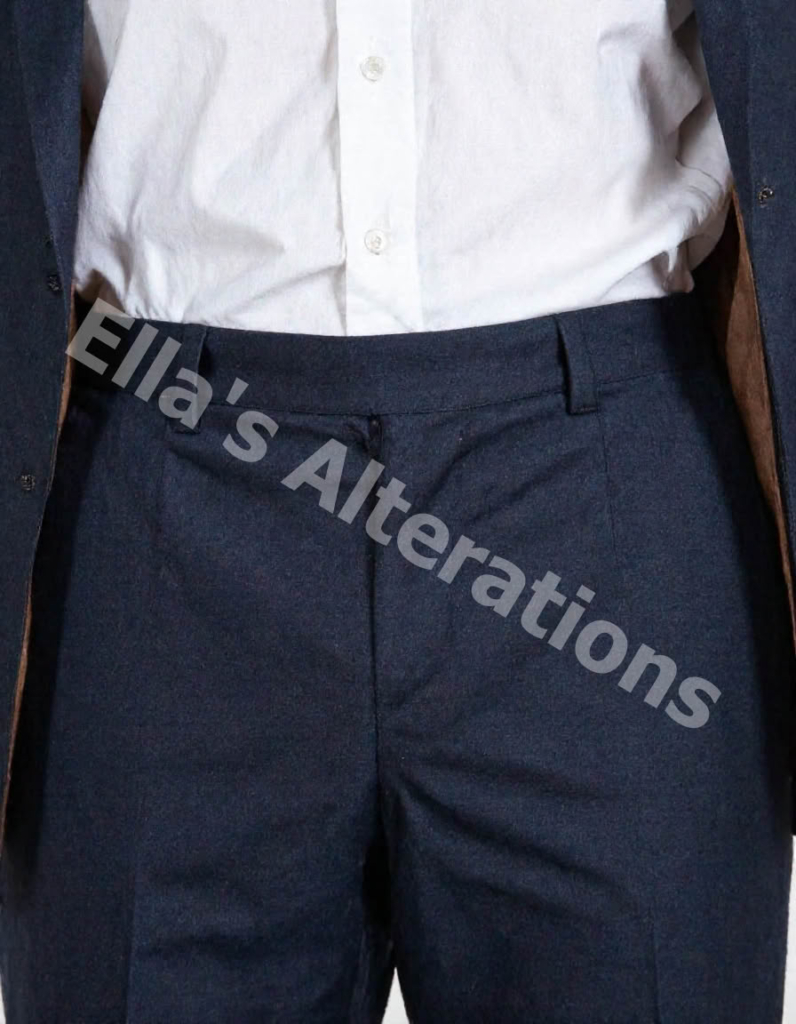
A Tailor's Guide: Jacket Body: How Should the Body of Your Suit Jacket Fit.
TLDR: Quick Take
A properly fitted suit jacket body should skim your torso with a clean, natural drape that follows your shoulder line and waist without pulling at the buttonhole or creating excess fabric when you move.
Listen: When I'm fitting a jacket, I'm not just looking at the waist; I'm checking how the fabric drapes across your chest and back to see if the drape is balanced or pulling. If you see diagonal wrinkles across your midsection when you button it up, that's your jacket telling you the body needs tapering, not just a quick pinch. You can take in the side seams to slim down the silhouette, but you've got to be careful not to restrict your arms or mess up the shoulder balance. A good fit should feel structured but light, letting you move without the fabric bunching up at your elbows or pulling tight at the belly. (Audio Guide)
Fast Answer
Problem this solves: Identifying and fixing poor jacket body fit for a polished look
Who this is for: Young professionals and anyone seeking a better suit fit
What to do next: Assess your current jacket fit and book a consultation if needed
How Should The Body Of A Suit Jacket Fit?
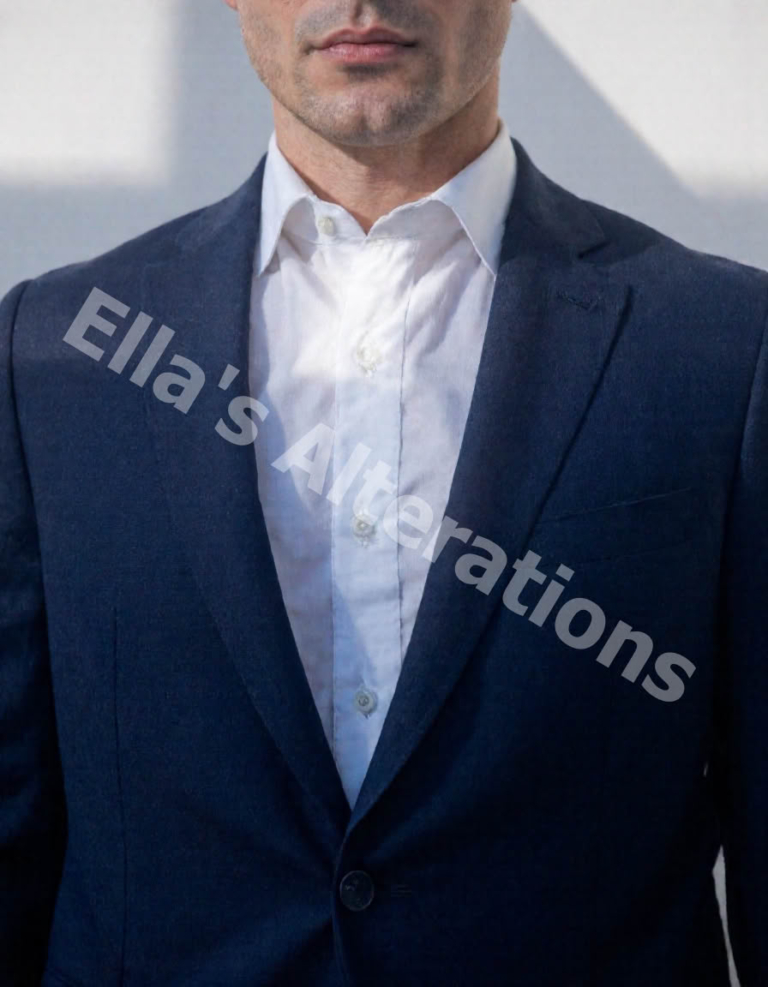
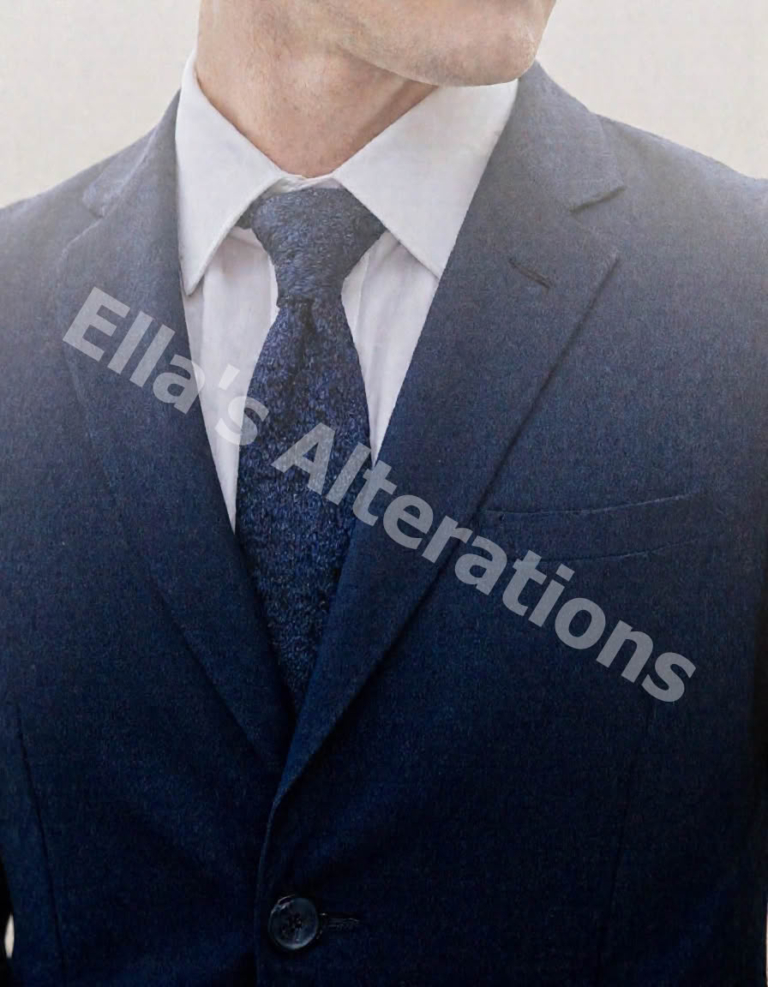
Answer: The body should taper gently at the waist, following your natural shape without pulling at the button or gaping at the back. It should allow for comfortable movement while maintaining a smooth drape across the chest and back. Proper waist suppression and balanced proportions are key to a polished silhouette that looks intentional and professional.
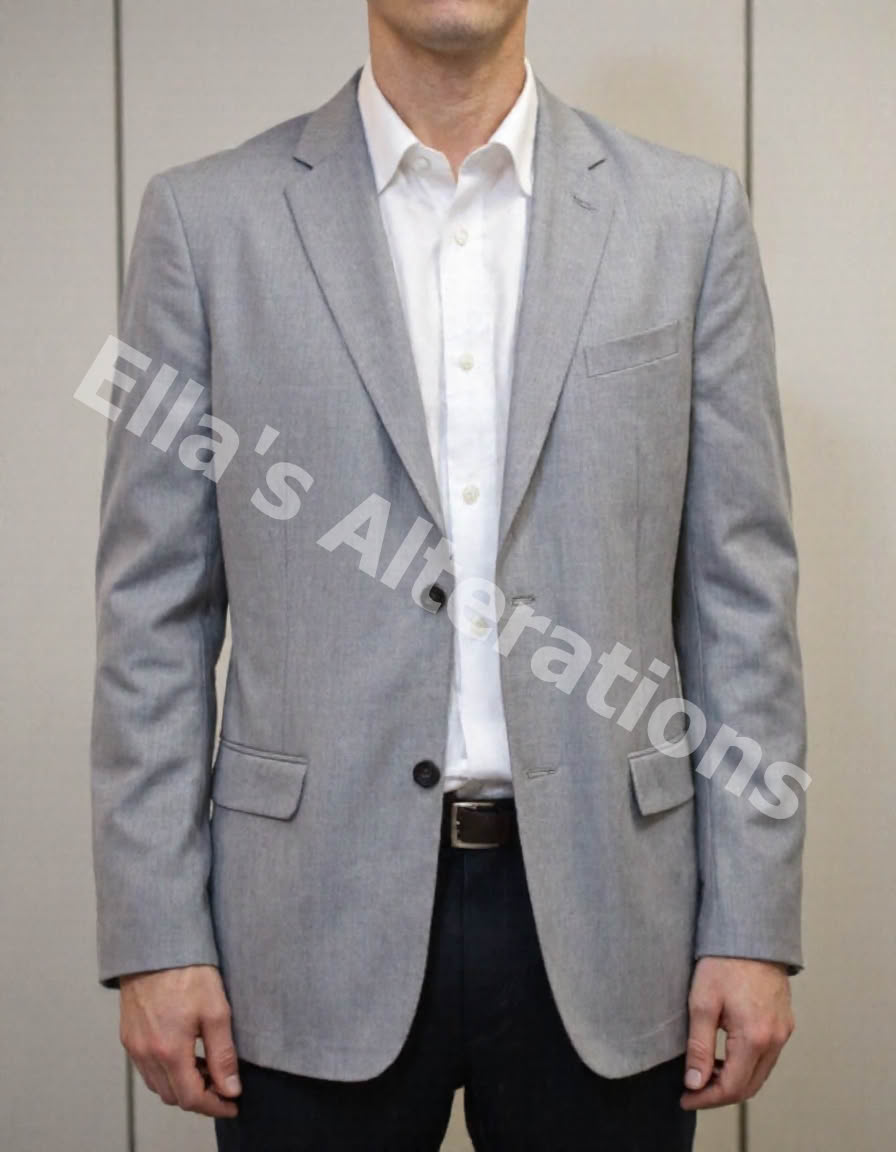
Key Takeaways
- Waist Suppression Proper tapering at the waist creates a flattering silhouette and prevents a boxy look.
- Button Stance The jacket should close without pulling fabric tight across the chest or creating horizontal lines.
- Movement Check The fit should allow for easy arm movement and sitting without excessive bunching or dragging.
- Alteration Limits Taking in a jacket is easier than letting it out, so assess fit carefully before purchasing.
Reading The Drape: What A Good Fit Actually Looks Like
When I stand in front of a customer in the fitting room, the first thing I’m looking for is how the fabric moves.
A suit jacket isn’t a static block; it has to work with your body.
If you button the jacket and the front panels pull tight across your chest, creating a starburst of wrinkles, that’s a red flag.
It means the body tapering is fighting your natural structure.
You want the fabric to lie smooth against your torso, following your shoulder line down to your waist without bunching at the elbows or pulling at the sternum.
The shoulder is the anchor.
If the shoulder seam falls even slightly past your natural bone point, the entire body hangs wrong.
It will look loose, sloppy, and disproportionate no matter how much you taper the waist.
This is why I always check the shoulder fit first. If the shoulder is right, we can work with the body.
If it’s wrong, we’re fighting a battle that’s hard to win with simple alterations.
The goal is a silhouette that looks intentional, sharp, and balanced.
It should feel structured but light, allowing you to move, breathe, and sit comfortably without the fabric constantly dragging you back or pulling you forward.
- Smooth Fabric Drape: The jacket should fall naturally across your chest, waist, and back without excessive wrinkles, bunching, or pulling.
- Correct Shoulder Alignment: The shoulder seams should align with your natural shoulder points, creating a balanced foundation for the entire jacket.
- No Button Pulling: When buttoned, the front panels should close smoothly without creating starburst wrinkles or tension lines across your chest or midsection.
- Natural Waist Shape: The jacket should gently follow your body's contours, creating a flattering silhouette without excessive tightness or loose fabric.
- Balanced Jacket Structure: The front and back panels should hang evenly without pulling forward, dragging backward, or twisting around your torso.
- Comfortable Movement: You should be able to walk, sit, breathe, and move your arms naturally without the jacket feeling restrictive.
- Clean, Professional Silhouette: A properly fitted jacket creates sharp, structured lines that enhance your natural proportions without appearing stiff or oversized.
- Shoulders Before Alterations: Always evaluate shoulder fit first. Even precise waist alterations cannot fully correct a jacket with poorly fitting shoulders.
- Ella’s Tailoring Tip ✂️: A great suit jacket should complement your natural shape, not force your body into an uncomfortable position. When the shoulders fit correctly and the fabric drapes smoothly, the entire jacket looks sharper, feels better, and creates a polished appearance
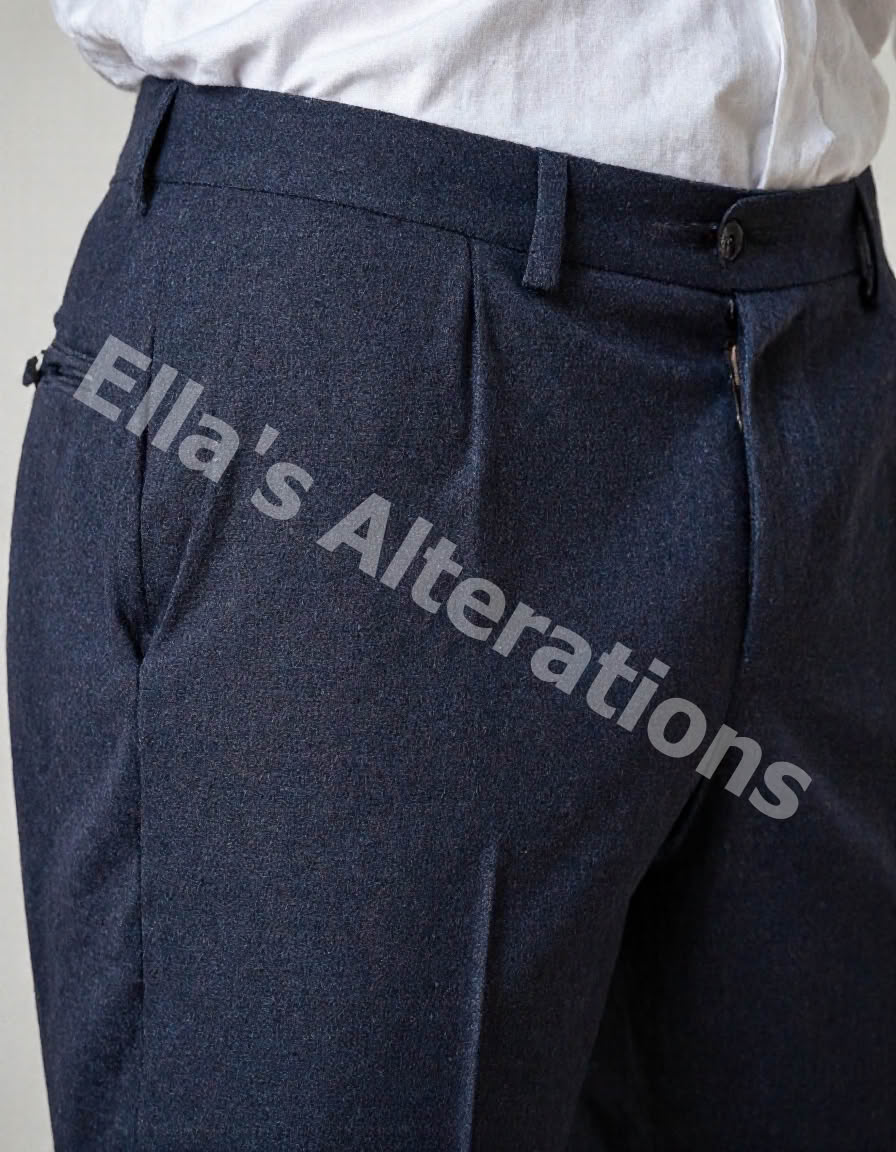
Tailor’s Insight ✂️
When I examine a suit jacket, I look at how the fabric naturally falls across your shoulders, chest, waist, and back before I even think about making alterations.
A jacket might look perfectly fitted while you're standing still, but the real test comes when you start moving.
If the side seams twist, the front panels pull, or wrinkles form across your back, something is out of balance.
I always tell my customers that a good jacket should follow your body, not fight against it.
Proper tailoring is about adjusting the garment to your natural posture and proportions while preserving its original structure.
When the drape is right, the entire jacket looks cleaner, feels more comfortable, and moves naturally with you.
The Power of Waist Suppression
Waist suppression is the secret to a modern, flattering suit.
It’s the subtle curve that takes the jacket from a boxy rectangle to a tailored fit.
I often see jackets that are "slim fit" in the chest but have no curve at the waist.
That looks off-balance.
Proper waist shaping creates a V-shape that accentuates your proportions.
It’s not about making the jacket as tight as possible. It’s about creating enough ease to move while defining the shape.
If you can slide a hand between your body and the jacket, that’s a good starting point.
If you can fit a fist, it’s probably too loose. If you can’t fit anything, it’s too tight.
We aim for that middle ground where the jacket skims your waistline, giving you a clean, professional line that moves with you.
- Create a Flattering V-Shaped Silhouette: Proper waist suppression gently tapers the jacket at the waist, enhancing your natural proportions and transforming a boxy appearance into a sharp, tailored look.
- Balance Style With Comfort: A well-fitted jacket should follow your waistline without feeling restrictive. The goal is to remove excess fabric while allowing enough room for comfortable movement, breathing, and sitting.
- Check for the Perfect Amount of Ease: You should be able to slide one hand comfortably between your waist and the buttoned jacket. If you can fit an entire fist, the jacket may be too loose. If you cannot slide your hand inside, the waist is likely too tight.
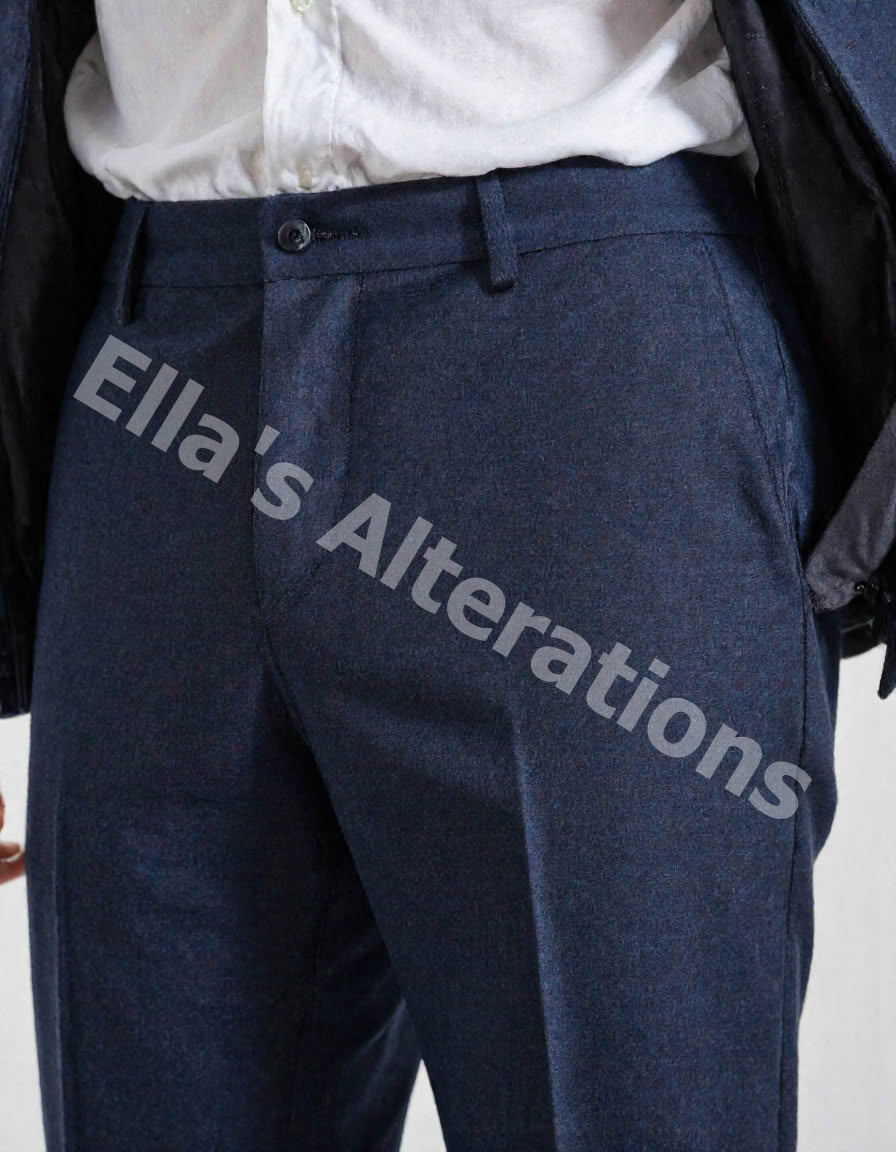
Tailor’s Insight ✂️
When I assess a jacket body, I first check the side seams.
If they twist or gap, the jacket is not centered on your body.
I look for how the fabric behaves when you raise your arms. A good fit should allow for movement without pulling at the buttonhole.
This is where proper tailored blazer adjustments really make a difference.
It is not just about making it smaller; it is about reshaping it to your specific posture and proportions.
Quick Facts
- Ideal Ease - You should be able to slide a single hand between your body and the jacket when buttoned.
- Common Fix - Side seam adjustment is the most common alteration for improving jacket body fit.
- Fabric Drape - High-quality wool drapes more smoothly than synthetic blends, affecting how the body hangs.
- Shoulder Impact - Shoulder fit dictates how the jacket body hangs, so shoulder seams must align with your natural bone.
Spotting Common Fit Problems
You can tell a lot about a jacket just by looking at how it behaves.
Diagonal wrinkles running from your button to your armpit usually mean the jacket is too tight across the chest or back.
Horizontal wrinkles at the button indicate the body is too narrow for your ribcage.
If the back of the jacket is gaping open, the body might be too wide, or the shoulder slope doesn’t match yours.
These are all signs that the body needs attention.
One issue I see a lot is the "sweat mark" effect.
If the fabric drags on the table when you sit, the jacket is too long or the back vent isn’t working for you.
If it pulls up when you raise your arms, the body is too tight.
A good fit should remain smooth and balanced whether you’re standing, sitting, or walking.
It shouldn’t require you to constantly adjust it.
If you’re pulling the jacket open to breathe or smoothing out the fabric every ten minutes, it’s not fitting correctly.
It’s a sign that the structure needs to be re-evaluated to match your specific posture and movement patterns.
- Achieve a Sharp, Tailored Silhouette: Proper waist suppression creates a natural V-shape by gently contouring the jacket around your waist, eliminating a boxy appearance while enhancing your overall proportions.
- Maintain Comfort and Freedom of Movement: A properly tapered jacket should provide a clean, fitted appearance without restricting your breathing, sitting, or everyday movements. Tailoring should improve both style and comfort.
- Find the Right Balance of Fabric and Fit: A simple hand test helps determine whether your jacket has enough room. One hand should slide comfortably between your waist and the buttoned jacket. Excessive space suggests a loose fit, while limited space indicates the jacket may need adjustment.
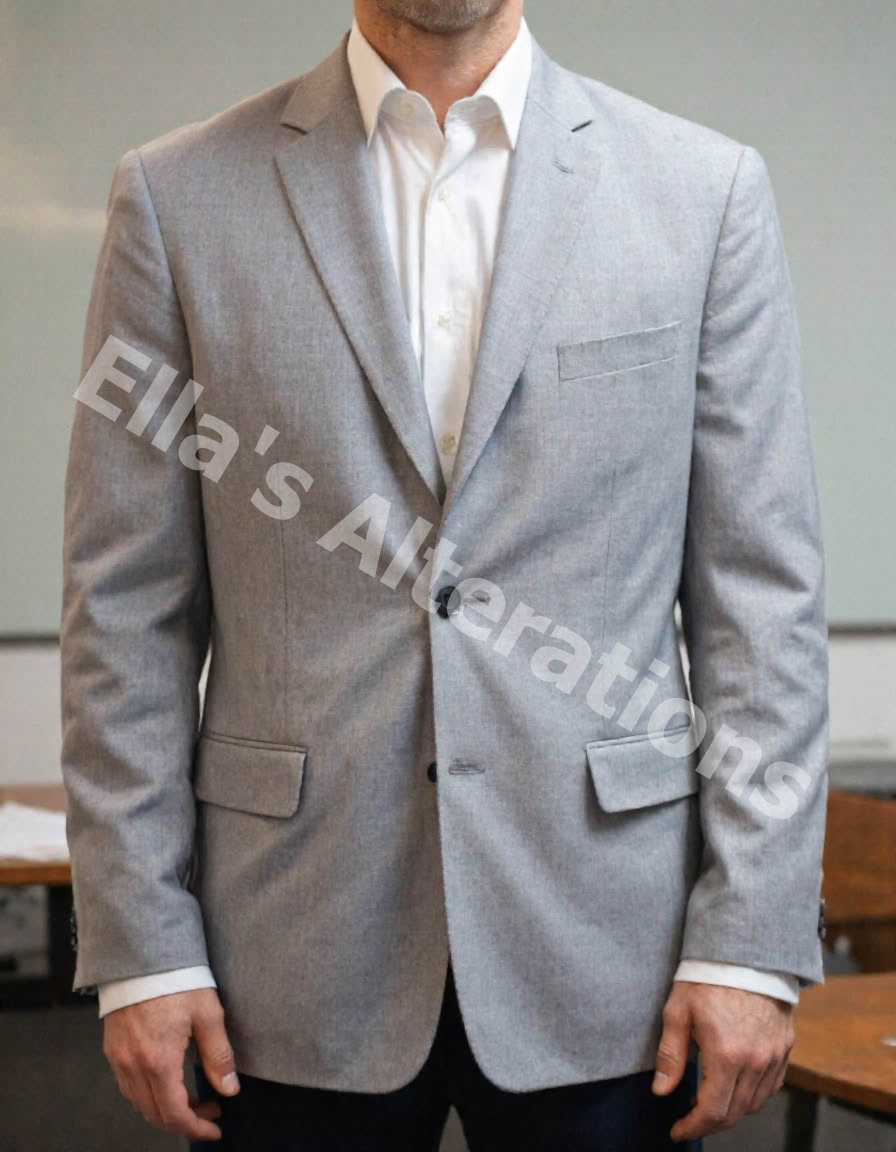
Tailor’s Insight ✂️
One of the most common mistakes I see is a jacket that's been tapered too aggressively at the waist.
Everyone wants that sharp, flattering V-shaped silhouette, but making a jacket tighter doesn't automatically make it fit better.
During a fitting, I carefully examine the waist suppression, button stance, and side seams to determine where the fabric needs shaping.
I want the jacket to follow your natural waist without creating pulling around the buttons or restricting your breathing.
You should be able to move comfortably, sit down, and stand up without constantly adjusting your clothing.
The secret is removing excess fabric in the right places while leaving enough room for natural movement.
A beautifully tailored jacket should define your shape without making you feel squeezed into it.
Slim Fit vs. Regular Fit: What’s the Difference?
These terms are often used loosely, so it helps to break them down.
A slim fit jacket is cut with less ease through the chest, waist, and sleeve. It’s closer to the body and has a narrower sleeve.
A regular fit jacket has more room, a wider sleeve, and more ease at the waist.
Neither is "better"; they serve different styles and body types.
A slim fit can look very sharp on a lean frame, but if your build is broader, it might feel restrictive and unflattering.
A regular fit might look boxy on a slender frame unless it’s tailored to your shape.
The key is to choose a base fit that works for your body and then use professional suit alterations to refine it.
That’s where the magic happens.
A tailored regular fit can look just as sharp as an off-the-rack slim fit, if not better, because it’s actually fitting your body.
- Understand the Difference Between Slim Fit and Regular Fit: Slim fit jackets are designed to sit closer to the body, with narrower sleeves and less room through the chest and waist. Regular fit jackets provide additional space, offering a more relaxed silhouette and greater freedom of movement.
- Choose the Right Fit for Your Body Shape: Slim fit jackets can create a sharp, modern appearance on leaner frames, while regular fit jackets often provide better comfort for broader builds. The key is choosing a style that complements your natural proportions without feeling restrictive or looking oversized.
- Use Professional Tailoring to Perfect Your Fit: Both slim fit and regular fit jackets can benefit from professional alterations. A skilled tailor can refine the waist, adjust excess fabric, and improve the overall silhouette, transforming an ordinary jacket into a polished, personalized fit that looks and feels made for you.
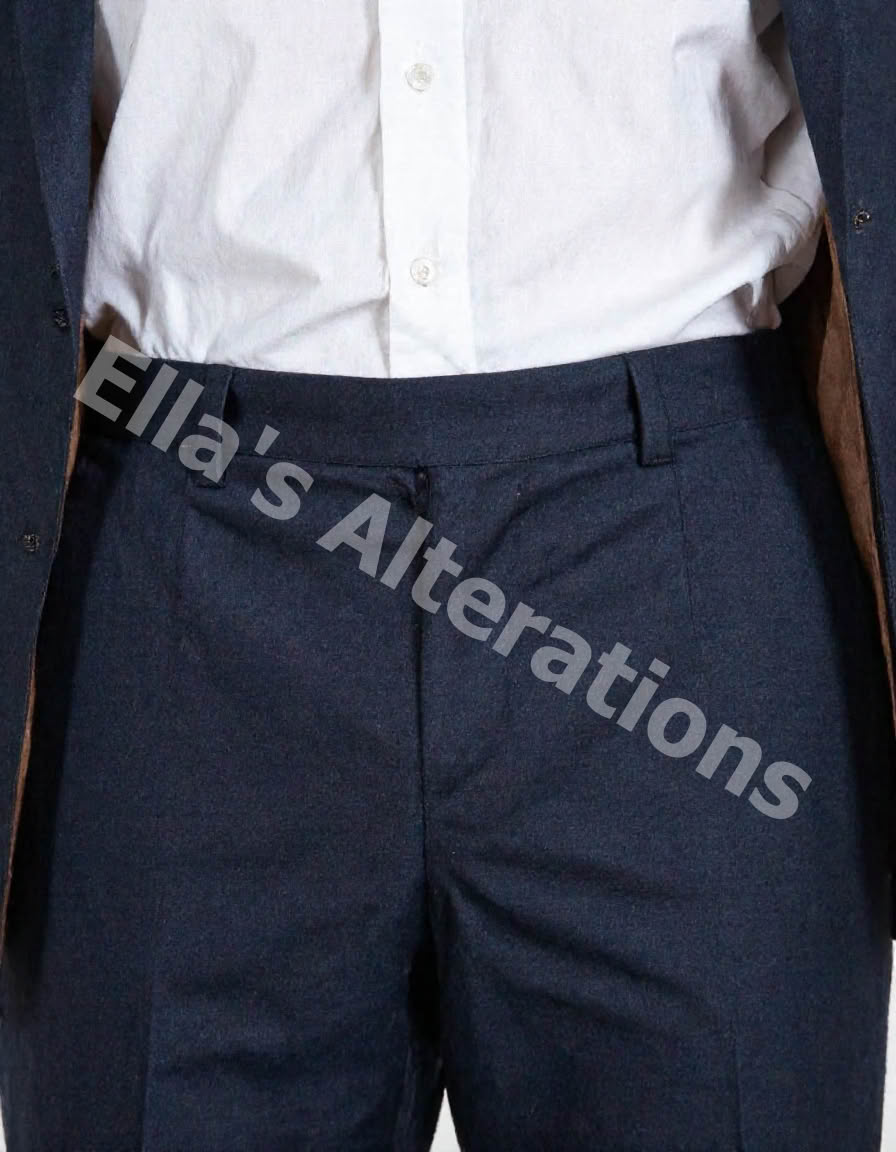
Tailor’s Insight ✂️
After more than 30 years working with clothing, I've learned that wrinkles can tell you a lot about how a jacket fits.
Horizontal pulling around the button often suggests there isn't enough room through the waist or midsection.
Diagonal wrinkles across the chest or back can indicate tension, incorrect proportions, or a posture imbalance.
Excess fabric gathering at the lower back may mean the jacket needs reshaping, but simply taking in the seams isn't always the answer.
I examine where each wrinkle begins, where it travels, and how the fabric changes when you move.
Every adjustment affects another part of the garment, which is why professional fitting requires more than just measuring your waist.
Understanding what the fabric is telling you is the first step toward correcting the real problem.
What Can Be Altered?
Here’s the truth about suit resizing: it’s much easier to make a jacket smaller than it is to make it bigger.
Taking in the side seams to tighten the waist is a standard, straightforward alteration.
You can usually take in an inch or two of excess fabric and have a perfectly fitted jacket.
This is the most common jacket fit correction I perform. Letting a jacket out is trickier.
It depends entirely on how the manufacturer finished the seams.
Some jackets have generous seam allowances, giving us room to work with.
Others are finished with barely any extra fabric.
If the jacket is too tight in the chest or waist, I have to open the side seams and check what’s underneath.
If there’s enough allowance, we can let it out and re-taper the waist.
If not, we’re limited. In those cases, a full reconstruction might be needed, which is a more complex and expensive process.
That’s why I always advise customers to be careful when buying off-the-rack suits.
Buy a jacket that’s slightly loose in the body, not too tight.
You can always tailor it down to fit your body perfectly, but you can’t always tailor it back up.
- Taking In a Suit Jacket for a Better Fit: Making a jacket smaller is generally easier than making it larger. A professional tailor can adjust the side seams, remove excess fabric, and reshape the waist to create a slimmer, more flattering silhouette while maintaining the jacket’s original structure and proportions.
- Letting Out a Jacket Depends on Seam Allowances: Expanding a jacket through the chest or waist depends on how much extra fabric is available inside the seams. Some jackets provide enough material for adjustments, while others have very limited allowances. A skilled tailor must inspect the garment’s construction to determine whether alterations are possible or more extensive reconstruction is necessary.
- Choose the Right Size Before Alterations: When purchasing an off-the-rack suit jacket, selecting one that fits comfortably through the shoulders and chest, with slightly more room at the waist, is usually the better choice. Excess fabric can often be tailored for a personalized fit, but a jacket that is too tight may be difficult, expensive, or impossible to enlarge without changing its original design.
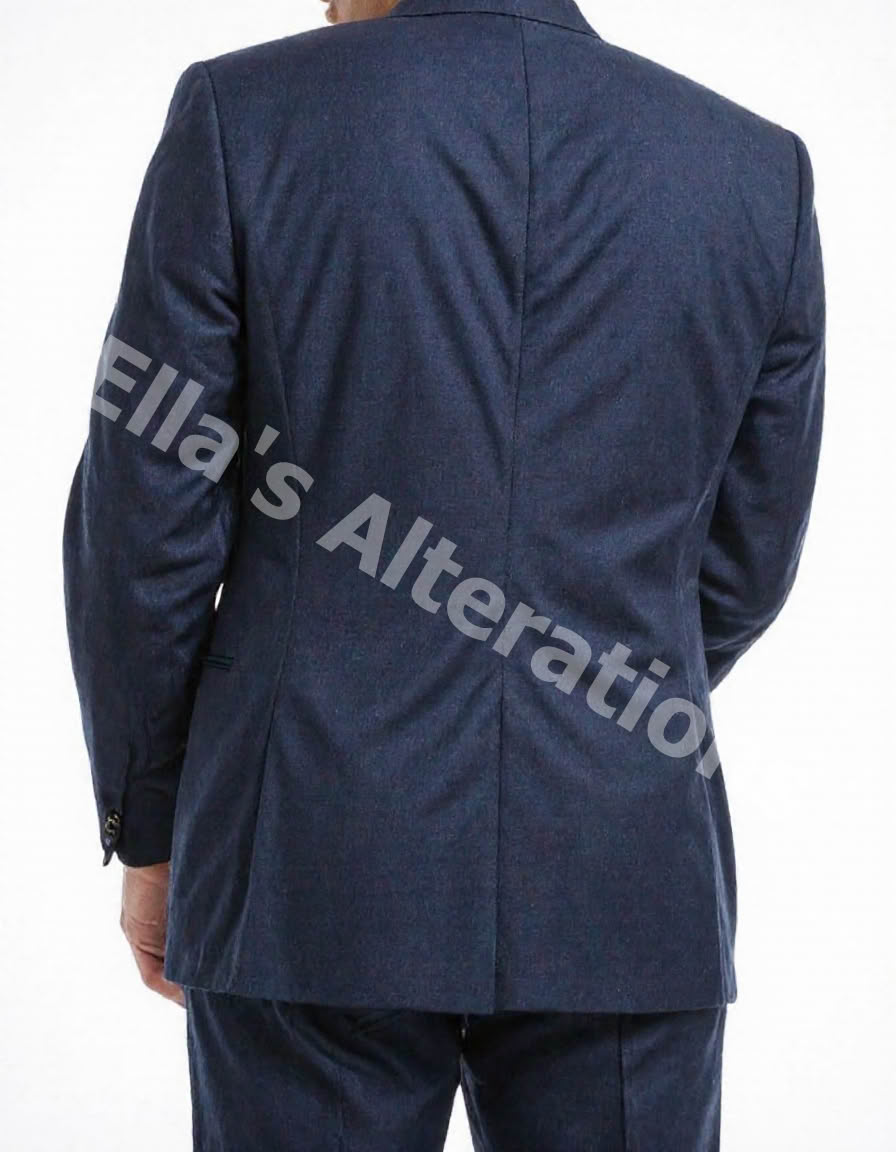
Tailor’s Insight ✂️
When customers ask me what to look for when buying a suit jacket, my first advice is to pay attention to the shoulders.
The shoulder structure determines how the rest of the jacket hangs, and correcting poorly fitted shoulders can involve complicated and expensive alterations.
A jacket that's slightly loose around the waist can often be taken in to create a beautiful shape, but a jacket that's too small may not have enough fabric inside the seams to let it out.
I always recommend choosing a jacket that fits your shoulders and provides comfortable room through the chest before worrying about how closely it follows your waist.
Once those important areas fit correctly, I can evaluate the side seams, back panels, and waist suppression to create a more personalized silhouette.
Starting with the right foundation saves money, protects the garment, and produces a much better finished result.
Fabric and Fit: Why It Matters
The type of fabric you choose affects how the jacket drapes and how it responds to alterations.
High-quality wool is the gold standard for suiting because it drapes beautifully, holds its shape, and responds well to tailoring.
It has a natural elasticity that allows for a close fit without feeling restrictive.
Linen is great for summer, but it wrinkles and doesn’t hold a sharp shape as well as wool.
Cotton twill is durable and casual, but it’s stiffer and less forgiving.
Polyester blends are cheaper, but they don’t drape as naturally and can look shiny or synthetic.
When you’re looking for a jacket to have altered, stick with natural fibers like wool.
They’re easier to work with, look more professional, and will maintain their shape over time.
A high-quality fabric will make a tailored fit look even sharper and more refined.
- Choose the Right Fabric for a Better Fit: High-quality wool is an excellent choice for suit jackets because it drapes naturally, maintains its shape, and offers flexibility for comfortable movement. The right fabric enhances your body's proportions and helps create a sharp, polished, professional appearance.
- Understand How Different Fabrics Affect Your Jacket: Linen offers lightweight comfort for warmer weather but wrinkles easily, while cotton twill provides durability with a slightly stiffer structure. Polyester blends are often more affordable but may lack the natural drape, flexibility, and refined appearance of quality wool.
- Consider Fabric Quality Before Professional Alterations: Different fabrics respond differently to tailoring, reshaping, and pressing. Natural fibers like wool generally offer excellent results when adjusting the waist, side seams, and overall jacket silhouette. Choosing quality materials helps professional alterations maintain their shape, improve comfort, and preserve the garment's appearance over time.
Tailor’s Insight ✂️
Not every suit jacket responds to alterations the same way, and the fabric plays a much bigger role than most people realize.
Wool generally offers beautiful drape, natural resilience, and excellent shaping possibilities, making it one of my favorite materials for professional tailoring.
Linen has a relaxed character and naturally wrinkles, while cotton and certain polyester blends may behave differently when seams are adjusted or pressed.
Before altering any jacket, I consider the fabric's weight, weave, stretch, lining, and original construction.
Removing too much material from a stiff fabric can create unwanted pulling, while lightweight material may require additional attention to prevent puckering.
My goal is never just to make a jacket smaller.
It's to make sure the finished garment holds its shape, feels comfortable, and looks beautifully balanced every time you wear it.
The Professional Touch
Professional suit alterations are about more than just making the jacket fit your measurements.
It’s about understanding your posture, your movement, and your style.
A good tailor will look at how you carry yourself, where you like your jacket to end, and how much ease you want.
They’ll check the button stance, the sleeve length, the collar fit, and the overall balance.
They’ll make sure the jacket looks good when you button it and when you unbutton it.
They’ll adjust the lining, reposition the buttons, and refine the shape until it feels right.
This is where the craftsmanship comes in.
It’s the difference between a jacket that simply fits and a jacket that looks like it was made for you.
That’s what we do at Ella's Alterations.
We take the time to get it right, because your suit should be an investment in your confidence, not a source of frustration.
- Personalized Tailoring Beyond Basic Measurements: Professional suit alterations involve more than adjusting the chest, waist, or sleeve length. A skilled Master Tailor evaluates your natural posture, body proportions, movement, and personal style to create a jacket that complements your shape while maintaining comfort and balance.
- Perfecting Every Detail for a Polished Appearance: From adjusting the button stance and collar fit to refining sleeve length, jacket lining, and overall silhouette, professional tailoring focuses on the details that make a difference. A properly altered suit jacket should drape smoothly, maintain its structure, and look equally sharp whether buttoned or unbuttoned.
- Experience and Craftsmanship Make the Difference: At Ella's Alterations, our Master Tailor brings over 30 years of experience to every fitting, carefully evaluating each garment to achieve a personalized fit. The goal isn't simply to make your jacket smaller or tighter, but to create a comfortable, balanced, professional appearance that enhances your confidence and makes your suit feel like it was made specifically for you.
Frequently Asked Questions
How Can I Tell If My Suit Jacket Body Is Actually Too Tight Without Just Guessing?
Stop relying on how it feels and start looking at the fabric behavior when the button is closed.
The most obvious sign is horizontal tension lines radiating outward from the buttonhole across your chest and midsection.
These lines appear because the front panels are being pulled tight against your ribcage and sternum.
If you see these lines, the body tapering is fighting your natural structure, and the fit is wrong.
You should be able to slide a single hand comfortably between your torso and the jacket when it is buttoned.
If you can fit a fist, it is likely too loose, but if you cannot fit anything, it is definitely too tight.
Another major indicator is the back panel.
When a jacket is too tight in the front, it often causes the back to gap or twist open at the waist because the constrained front pulls the garment forward.
This creates an unbalanced, sloppy look. Also pay attention to your movement. Raise your arms or sit down in a chair.
If the jacket pulls up significantly or restricts your ability to move naturally, the body is too narrow.
If you find yourself constantly pulling the jacket open to breathe or adjusting the fabric to smooth out wrinkles, that is a clear structural issue.
A proper fit should allow for full range of motion while maintaining a smooth, clean drape.
If the fabric looks stretched or distorted, do not force it.
The tension will eventually tear the buttonhole or create permanent creases in the wool that are difficult to remove.
Bring the jacket in for a professional assessment to see if the side seams have enough allowance to be let out or if the body needs to be reconstructed to match your proportions correctly.
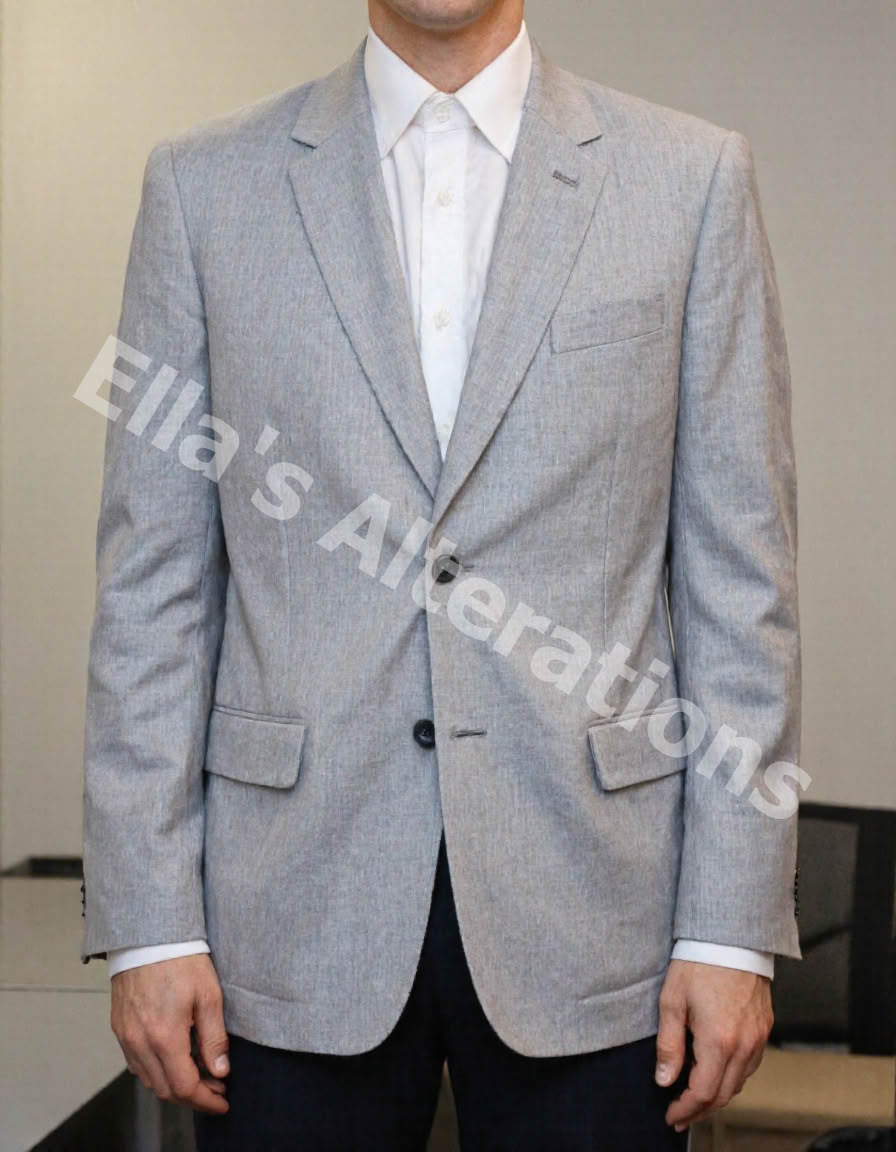
- Proper Shoulder Alignment: The shoulders provide the foundation for a well-fitted jacket, ensuring balanced proportions and a smooth, natural drape.
- Flattering Waist Suppression: Precise waist tapering creates a sharp, V-shaped silhouette without excessive tightness or restricting movement.
- Comfort and Flexibility: A properly fitted jacket should allow you to walk, sit, breathe, and move naturally without pulling, twisting, or bunching.
- Fabric Quality Matters: Choosing quality materials, especially wool, helps maintain the jacket's shape, improve its drape, and achieve better tailoring results.
- Professional Alterations Make the Difference: Expert tailoring considers your posture, body proportions, and personal style to transform an ordinary jacket into a personalized fit.
- Experience and Craftsmanship: At Ella's Alterations, our Master Tailor brings over 30 years of experience to every fitting, focusing on precision, comfort, and lasting quality.
- Confidence Starts With the Right Fit: A beautifully tailored suit jacket enhances your appearance, complements your natural shape, and helps you look polished and confident for any occasion.
Is It Really True That I Can Make A Suit Jacket Bigger, Or Is That A Myth?
It is not a complete myth, but it is significantly harder and more limited than making a jacket smaller.
Many people assume that because you can sew fabric together, you can always sew it apart.
In professional tailoring, the rule of thumb is that you can easily take in side seams to tighten the waist and chest, but letting out a jacket depends entirely on the seam allowances the manufacturer left in the garment.
When you buy a suit off-the-rack, the factory has to finish the seams in a way that allows for standard production.
Some manufacturers use generous allowances, leaving an inch or more of extra fabric inside the side seams.
Others use minimal allowances, especially on higher-end or slim-fit suits, to save on material costs or to ensure a sharper initial drape.
If you have a jacket that is too tight, I have to open the side seams and inspect the interior.
If there is enough excess fabric, we can let it out and re-taper the waist to fit your body.
However, if the allowance is tiny, there is no material to work with.
In those cases, the only option is a full body reconstruction, which involves cutting out panels and adding new fabric.
This is a complex, expensive process that can change the look and feel of the original garment.
That is why I always advise customers to buy a jacket that is slightly loose in the body rather than one that is tight.
It is much safer and more effective to tailor a jacket down to your perfect fit than to try to expand a jacket that is already too small.
Check the seams before you buy if possible, or be prepared for the possibility that a tight jacket might not be fixable without significant reconstruction.
Tailor’s Insight ✂️
One thing I always tell my customers is that a suit jacket should look just as good when you're moving as it does when you're standing in front of a mirror.
During a fitting, I ask customers to walk, sit down, reach forward, and move their arms naturally.
These simple movements help me identify areas where the jacket may be pulling, twisting, or restricting movement.
A jacket that looks perfect while standing still can reveal fitting problems the moment you reach for something or sit at a table.
I pay special attention to the armholes, back panels, and waist because these areas work together to control comfort and movement.
My goal is to create a jacket that maintains its shape while allowing you to move comfortably throughout your day.
After all, a beautifully tailored suit shouldn't require you to stand perfectly still to look your best.
A Tailors Guide: Why Suit Anatomy Matters.
What Is The Best Way To Taper A Suit Jacket So It Looks Tailored But Not Restrictive?
Tapering a jacket body is about reshaping the side seams to follow your natural curve without creating a boxy or overly skinny look.
The goal is subtle waist suppression that accentuates your proportions while allowing for comfortable movement.
I start by checking the side seams for any existing twists or gaps. If the jacket is not centered on your body, tapering will only make the fit look worse.
If the seams are straight and centered, I take in the width at the waist.
This creates a V-shape silhouette that is flattering and professional. However, you have to be careful not to over-taper.
If the jacket becomes too tight, it will pull at the buttonhole when you raise your arms, creating diagonal wrinkles across your chest.
This is a sign that the taper is too aggressive. A good fit should feel close but not tight.
You should be able to sit comfortably without the fabric bunching up at the elbows or pulling at your back.
When I perform this alteration, I adjust the side seams and the back panel together to maintain balance.
I also check the lining to ensure it does not twist or restrict the body.
If the jacket is from a lower-end manufacturer, the seams might not line up perfectly after tapering.
In that case, I may need to reposition the lining and adjust the buttons to ensure the stance remains smooth.
It is not just about making it smaller; it is about creating a tailored blazer adjustment that respects your specific posture and movement patterns.
A well-tapered jacket should look intentional and sharp, not constricted.
If you are trying to do this at home, be extremely cautious. A single wrong cut can ruin the symmetry of the garment.
It is much safer to have a master tailor evaluate the garment and make precise adjustments that blend seamlessly with the original construction, ensuring the finished look is polished and professional.
Fast Answer: How Should the Body of a Suit Jacket Fit?
Quick Answer: A properly fitted suit jacket should follow your natural body shape, fit smoothly across the shoulders and chest, and taper gently at the waist without pulling, bunching, or restricting movement. The ideal fit creates a sharp, balanced silhouette while allowing you to sit, walk, and move comfortably.
- Problem This Solves: Identifies common jacket fitting problems, including tight buttons, excess waist fabric, uneven draping, poor shoulder alignment, and uncomfortable movement.
- Who This Is For: Anyone wearing a suit jacket or blazer for weddings, business meetings, job interviews, formal events, or everyday professional wear who wants a polished, comfortable fit.
- What to Look For: Smooth shoulder alignment, a natural waist taper, balanced front and back panels, comfortable breathing room, and fabric that moves naturally without pulling or twisting.
- What Can Be Fixed: Professional suit alterations can often improve waist suppression, remove excess fabric, reshape side seams, refine the silhouette, and correct certain fitting problems depending on the garment's construction.
- What to Do Next: Check your jacket while standing, sitting, and moving. If you notice pulling, bunching, or an uneven fit, schedule a professional fitting with Ella's Alterations to determine which adjustments will improve comfort and appearance.
Master Tailor's Advice: With over 30 years of tailoring experience, Ella knows that the perfect jacket fit isn't about making everything tighter. It's about creating the right balance between your natural proportions, fabric drape, comfort, and personal style.
Why Does My Suit Jacket Pull At The Buttons, And How Can I Fix It?
If your jacket pulls at the buttons, it is a clear sign that the chest area is too tight for your ribcage.
This is a common problem with many off-the-rack suits, especially if you have a broader chest and a narrower waist, or if the jacket was cut for a different body shape.
The first thing I do is assess the amount of pull.
If it is minor, it might be due to the fabric stretching out over time, or it could be because you are wearing a thick undershirt or shirt that is adding bulk.
Try removing the undershirt and see if the pull decreases.
If the pull is significant, you will see horizontal tension lines radiating from the button, which indicates the body is too narrow.
The fix usually involves letting out the side seams slightly to add some ease in the chest.
However, this can affect the waist shape, so it has to be done carefully to maintain a good silhouette.
If the jacket is too tight in the chest but also too tight in the waist, it is a more complex issue.
In this case, we might need to reconstruct the body by adding panels to the chest area or by letting out the entire side seam and re-tapering the waist.
This is a more advanced alteration that requires a skilled tailor.
It is not a simple fix.
Do not try to force the button closed.
This can tear the fabric and make the problem worse. A well-fitted jacket should close smoothly without pulling.
If it is causing discomfort or distorting the silhouette, it is time to bring it to a professional for a jacket fit correction.
The tailor will evaluate the garment, check the seam allowances, and determine the best course of action to restore proper balance and comfort.
Ignoring the pull will only lead to more tension lines and potential damage to the jacket over time.
Modern Fit Suits for Every Occasion: Weddings, Work & More.
Mini Glossary
- Waist Suppression
- The process of taking in the side seams of a jacket to create a curved taper at the waist.
- Body Tapering
- Adjusting the width of the jacket front and back to follow the natural curve of the torso.
- Drape
- How the fabric hangs and falls across the body, influenced by weight and structure.
- Silhouette
- The overall outline or shape of the jacket as seen from the front, back, or side.
- Jacket Fit Correction
- Tailoring work performed to adjust the size or shape of the jacket body for a better fit.
What Are The Most Common Signs That A Suit Jacket Needs Body Alterations?
There are several clear indicators that your jacket body is not fitting correctly.
First, look at the button stance.
When the jacket is closed, it should lie flat against your chest.
If you see horizontal wrinkles or the fabric pulling tight, it is too tight. If there is excess fabric pooling around the button, it is too loose.
Second, check the side seams. If they are twisting or twisting around your torso, the body tapering is off.
This usually means the jacket is not centered on your body.
You might be carrying more weight in one area than the other, or the jacket might have been cut for a different shape.
Third, look at the back panel.
A properly fitted jacket should lie flat against your back.
If it wrinkles, bunches, or gaps open at the waist, the length or width may be incorrect.
This is often a sign that the jacket needs a jacket fit correction.
It might need to be taken in at the waist or let out slightly at the back.
Fourth, pay attention to how the jacket moves when you raise your arms.
It should allow for free movement without pulling at the buttonhole or restricting your range of motion.
If it feels restrictive, the body is too narrow.
Finally, look at the overall silhouette.
A good fit should create a flattering V-shape that accentuates your shoulders while tapering at the waist.
If the jacket looks boxy or oversized, it needs tailored blazer adjustments.
These are common issues in off-the-rack suits, and they are easily fixed with custom suit jacket tailoring services.
A professional tailor can evaluate your posture, movement, and style to determine the best alterations.
The goal is to create a sharp, polished silhouette that boosts your confidence and speaks to your attention to detail.
Whether you are dressing for a job interview, a wedding, or just a nice dinner out, a well-tailored suit makes a difference.
Take the time to assess your fit, check for common issues, and do not be afraid to bring it to a tailor.
A few small alterations can transform an ordinary jacket into a beautifully fitted piece that enhances your style.
Tailor’s Insight ✂️
Most people judge a suit jacket by how it looks on the outside, but as a Master Tailor, I know that what happens inside the garment is just as important.
The lining, canvas, interfacing, seam allowances, and internal construction all influence how a jacket hangs and responds to alterations.
Before making adjustments, I evaluate how the jacket was originally constructed and determine which areas can safely be reshaped.
Sometimes an alteration requires carefully opening the lining, adjusting internal seams, and restoring the garment's original structure.
If these details are ignored, a jacket might look acceptable immediately after alterations but develop pulling, twisting, or uneven draping when worn.
Quality tailoring is about respecting the entire construction of the garment, not simply sewing a new seam.
That's how we create alterations that look natural, maintain the jacket's integrity, and preserve its professional appearance.
Conclusion
Your suit jacket body is the foundation of your look.
A well-fitted jacket creates a sharp, polished silhouette that boosts your confidence and speaks to your attention to detail.
It’s not about following trends or buying the most expensive label.
It’s about finding a jacket that works for your body and then refining it with professional tailoring.
Whether you’re dressing for a job interview, a wedding, or just a nice dinner out, a well-tailored suit makes a difference.
Take the time to assess your fit, check for common issues, and don’t be afraid to bring it to a tailor.
A few small alterations can transform an ordinary jacket into a beautifully fitted piece that enhances your style. Your clothing should work for you, not against you.
Let a professional help you get that perfect fit.
| Feature | Poor Fit | Good Fit |
|---|---|---|
| Button Stance | Pulls horizontally, creating tension lines | Closes smoothly with slight ease |
| Waist Shape | Boxy or excessive bulk at the waist | Subtle taper that follows natural curve |
| Back Panel | Wrinkles, bunches, or gaps open | Lies flat and smooth against the back |
| Movement | Restricts arm movement or twists | Allows free movement without distortion |
| Drape | Hangs straight down or swings wide | Follows body contours and settles naturally |
Ella’s Style Confidence
A well-fitted jacket boosts confidence by making you look polished and intentional.
- Silhouette A balanced fit creates a flattering V-shape that enhances your natural proportions.
- Comfort Proper ease allows for full range of motion without feeling restricted.
- Perception Sharp lines and smooth drape signal attention to detail and professionalism.
Local Credibility
- Expertise Our team has extensive experience in menswear tailoring and jacket body alterations.
- Quality We focus on craftsmanship and precision to ensure lasting, high-quality results.
- Service We provide personalized fitting sessions to address your specific fit concerns.
Ella’s Style Confidence
Brought to you by Ella’s Alterations
-
Your body is not the problem. The fit is.
If something feels off when you put it on, that does not mean it is wrong for you. It means it has not been tailored for you yet. Clothes are made for averages. You are not average. -
Confidence starts at the seams.
The smallest adjustments change everything. A lifted waist, a shaped bust, a clean hem. These details quietly do the heavy lifting so you can walk in like you own the room. -
Comfort is not optional.
If you are pulling, tugging, or holding your breath, the garment is failing you. Real tailoring lets you move, sit, dance, and live without thinking about your clothes. -
Trends fade. Fit lasts.
Styles come and go fast. A perfect fit never goes out of style. When something fits you correctly, it always looks intentional and expensive. -
Support should be built in, not added later.
Hidden structure matters. Boning, cups, straps, and shaping should work with your body, not against it. When support is done right, no one sees it but everyone notices the result. -
You deserve clothes that work as hard as you do.
Whether it is a wedding dress, a suit, or everyday wear, your clothes should show up for you. Sharp, polished, and reliable. -
Confidence is quiet, not loud.
The best dressed people are not uncomfortable or flashy. They look effortless because their clothes fit correctly and feel natural. -
One great alteration beats five new outfits.
Fixing what you already own often gives you more confidence than buying something new. A tailored piece feels personal. Like it was made just for you. -
When it fits right, you stand differently.
Posture changes. Shoulders relax. You stop adjusting and start owning your space. That shift is what people actually notice. -
You are allowed to feel amazing in your clothes.
Not just okay. Not just good enough. Amazing. That is the standard.
Local Credibility
Ella’s Alterations is trusted by brides, professionals, and families across Central Florida for one reason. The work is done right.
Awards & Recognition
- Most Trusted Tailoring & Alterations Studio 2025 – USA
- Bridal & Formalwear Tailoring Excellence Award 2025
- Recognized nationally by LUXlife Magazine for craftsmanship and client trust
- Chosen year after year for precision bridal and formal tailoring
- Best Wedding Dress & Formalwear Tailoring Zephyrhills 2026
- NextDoor Neighborhood Favorite 2023 2024 2025
Service Area
Proudly serving Zephyrhills, Pasco County, Tampa, Wesley Chapel, Lakeland, and surrounding Central Florida communities. Clients travel from across the region for expert alterations that local shops simply cannot match.
Depth of Craft
With over 30 years of hands on tailoring experience, Ella works at a master level. This is not basic hemming or quick fixes. This is true garment engineering. Wedding gowns with structure, suits that need balance, formalwear that must move and photograph perfectly. Every adjustment is intentional and precise.
Proof of Trust & Fitting Care
Every fitting is handled with respect, privacy, and patience. Measurements are double checked. Details are explained. Nothing is rushed. Nothing is guessed.
Clients return because they feel heard, supported, and confident. Dresses are protected. Fabrics are handled correctly. Fit decisions are made with experience, not shortcuts.
This is why generations of clients trust Ella with their most important garments. When it has to fit perfectly, they choose experience.

Bridal & Formalwear Tailoring Excellence Award 2025 – USA
Award Winning Bridal & Formalwear Tailoring
Ella’s Alterations is proudly recognized as one of Zephyrhills’ most trusted tailoring studios, specializing in wedding dress and formalwear alterations.

NextDoor Neighborhood Favorite 2023, 2024, 2025

Best Wedding Dress & Formalwear Tailoring Zephyrhills 2026
Proud winner: Best Bridal & Formalwear Alterations Studio 2026 - USA

Proud winner: Best Wedding Dress and Formalwear Tailoring, Zephyrhills 2026

Proud winner: Best Wedding Dress and Formalwear Tailoring, Zephyrhills 2026
Why Clients Trust Ella’s Alterations
- 30 plus Years of Expertise: Master tailoring and formal wear alterations trusted across Florida.
- Award Winning Service: Best of Florida Tailor and Best of Zephyrhills.
- Private Bridal Fittings: Discreet, elegant, and tailored to you.
- Proven Local Reputation: Five star customer reviews and repeat clients from Tampa to Orlando.
- Transparent and Personal: Clear pricing, expert guidance, and no rushed fittings.
- Recognized nationally by LUXlife Magazine for craftsmanship and client trust
- Chosen year after year for precision bridal and formal tailoring
- Best Wedding Dress & Formalwear Tailoring Zephyrhills 2026
- NextDoor Neighborhood Favorite 2023 2024 2025
Address: 6986 Fort King Road, Zephyrhills FL 33541
Phone: +1 813-445-8894 or +1 813-445-6721
Email: admin@ellasalterations.com
Hours:
Get Directions | Book Your Fitting